Song Meaning
The lyrics paint a vivid picture of an overwhelming, almost dangerous attraction. The narrator warns against looking into the subject's eyes because "you'll burn," and against looking at their lips because "you'll dry out." This immediate imagery establishes a sense of peril tied to physical proximity, suggesting an allure so potent it's physically harmful. The repeated "ah ah ah" adds a layer of resigned, almost pained acknowledgment of this inescapable pull. The core narrative is one of being ensnared, with the repeated phrase "Kurtulamazsın kaçamazsın" (You can't escape, you can't run) hammering home the feeling of being trapped.
The central tension lies in the destructive nature of this infatuation. The lyrics explicitly state, "Alır senin aklını o gider sen kalırsın" (It takes your mind, it leaves, you remain). This highlights a parasitic dynamic where the subject of the obsession drains the narrator, leaving them empty and broken. The repeated, almost frantic declarations of "Bu kaçık sana aşık" (This crazy one is in love with you) and "Bu garip sana aşık" (This strange one is in love with you) underscore the irrationality and intensity of the narrator's feelings, even as they recognize the danger.
The most striking element is the recurring metaphor of the "Zehirli sarmaşık" (poisonous ivy/vine). This imagery is incredibly effective, personifying the object of affection as something beautiful but deadly, something that grows and entwines itself around the narrator until they are consumed. The way the hair "dolanır boynuna" (twists around your neck) and the skirt "uçuşur rüzgarla kör olursun" (flies up with the wind, you go blind) further develop this suffocating, blinding quality of the obsession. The contrast between the alluring imagery (flying skirt, wind) and the destructive outcome (burning, drying out, going blind, losing one's mind) is what makes the lyrics so potent.
Ultimately, these lyrics resonate because they capture the terrifying experience of losing control to an overwhelming emotion. The writing doesn't just state the feeling; it embodies it through visceral, dangerous imagery and a sense of inescapable entanglement. The repetition, the direct warnings, and the central metaphor of the poisonous vine work together to create a powerful, almost claustrophobic portrait of being consumed by love or obsession, leaving the listener with a palpable sense of dread and fascination.
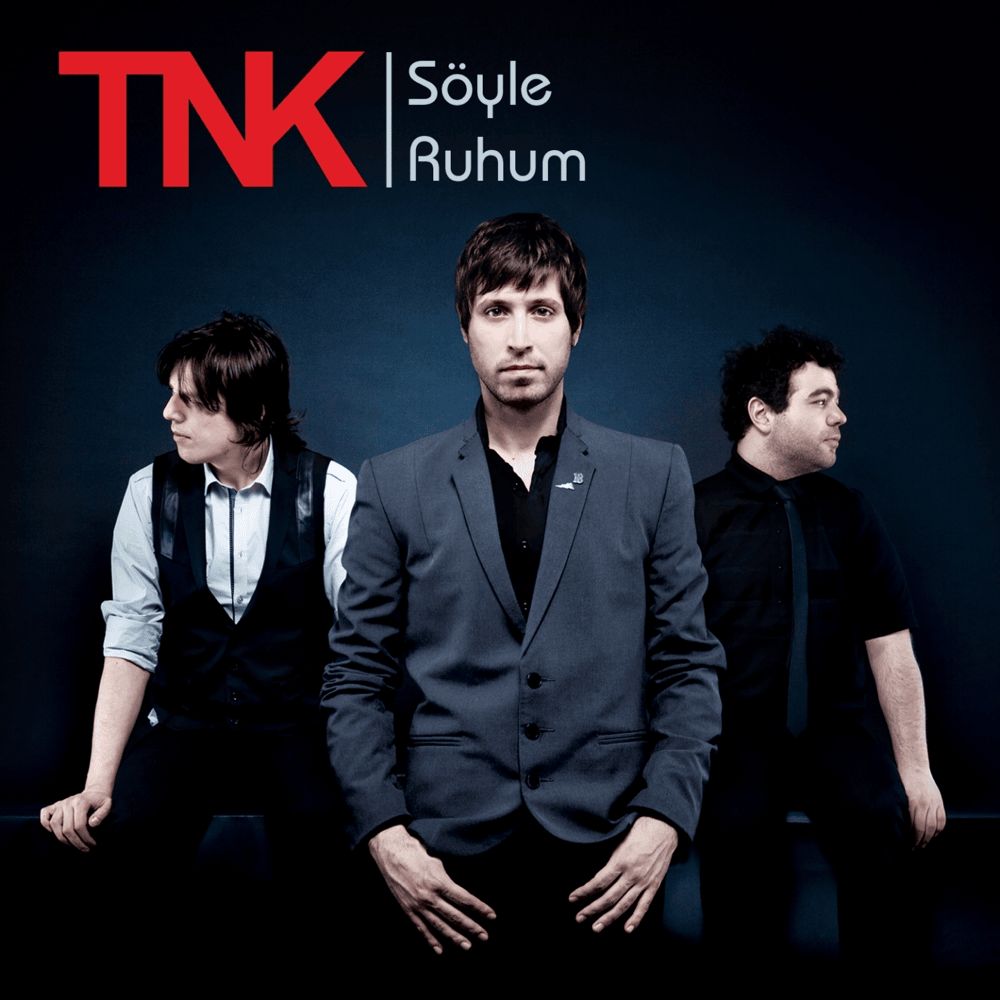
 View Artist