Song Meaning
The lyrics paint a stark picture of returning soldiers, shifting from the grim realities of war to a fragile peace. There's a palpable sense of relief as they head back to their villages, but this is immediately juxtaposed with the somber task of funerals, highlighting the lingering cost of conflict. The line "Ka¿dy z ¿o³nierzem podzieli siê chlebem" (Everyone will share bread with the soldier) suggests a communal welcome, yet the mention of the elders handling burials underscores that not everyone returns to celebrate.
The central tension lies in the narrator's proclaimed freedom, "Jestem wolny jak taczanka na stepie" (I am free like a taczanka on the steppe), which feels deeply ironic. A taczanka, a horse-drawn machine-gun cart, is a tool of war, inherently bound to its purpose and movement across battlefields. This freedom is not one of choice or liberation, but rather the unthinking, relentless momentum of a weapon of war, now seemingly adrift in peacetime. The narrator's identity is also complex, oscillating between "wojak" (warrior) and "mo³ojec" (a term implying a young, perhaps reckless man), suggesting a persona forged in combat.
The repeated imagery of "Strzelamy w nasze niebo i podrzucamy czapki" (We shoot into our sky and toss our caps) is particularly striking. It's an act of celebration, yet the act of shooting into the sky, a common celebratory gesture, feels like a residual echo of gunfire. This duality captures the awkward transition from war to peace, where joyous expressions might carry undertones of past violence. The narrator's self-portrayal as a hero, appearing in songs, posters, films, and newspapers, further emphasizes this manufactured or externally imposed identity, rather than an internal sense of peace.
Ultimately, the effectiveness of these lyrics stems from their unflinching portrayal of a soldier's fractured reality. The contrast between the outward signs of peace and the underlying trauma, coupled with the unsettling metaphor of the taczanka, creates a profound sense of unease. The narrator's proclaimed freedom feels less like liberation and more like a continued, perhaps involuntary, existence defined by past conflict, leaving the listener to question the true nature of this "peace."
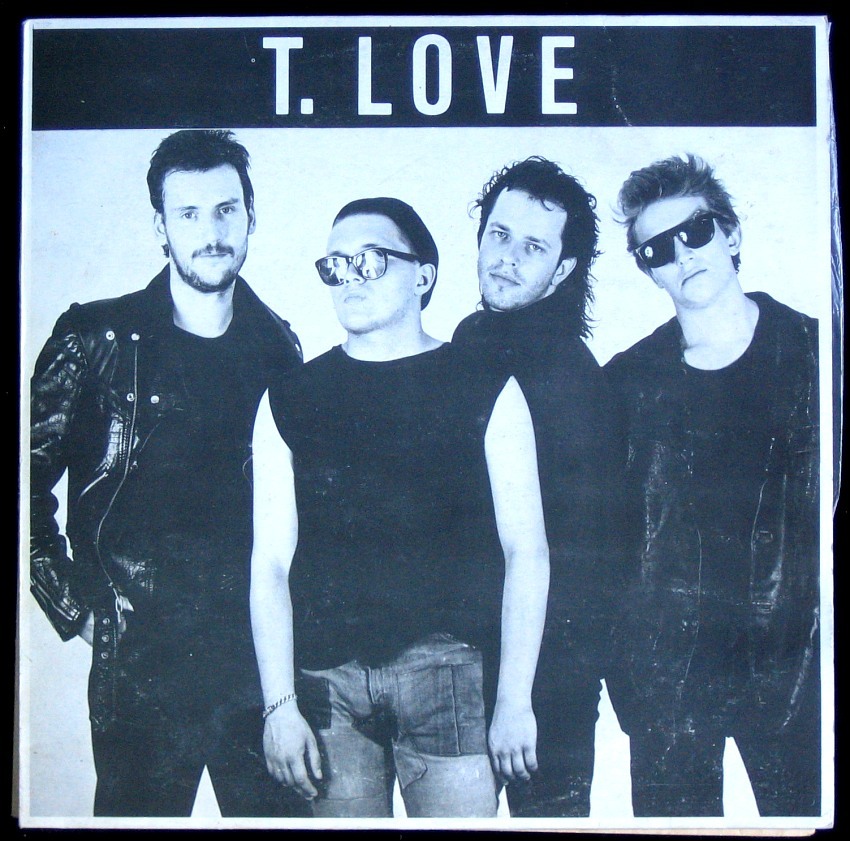
 View Artist