Song Meaning
The lyrics paint a stark picture of emotional paralysis, where the narrator feels trapped between a painful reality and a desired dream state. The opening lines, "Dream and reality are reversed / I wish the painful wounds were a dream," immediately establish a profound disconnect. The narrator grapples with an inability to process or even perceive the pain fully, stating, "I can't even touch it / I can't do it, this pain / I can't reflect it with these two eyes alone." This suggests a deep emotional numbness or dissociation, where the suffering is too overwhelming to be directly confronted.
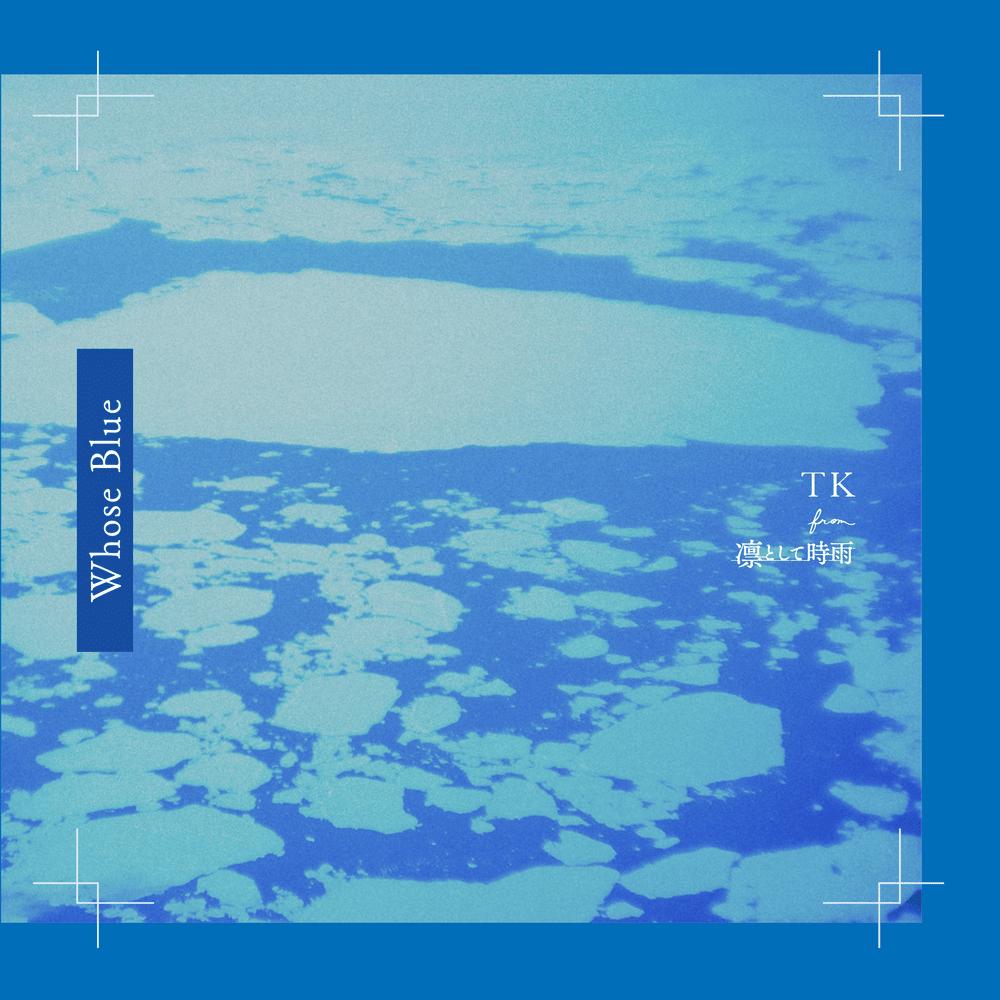
The central tension arises from the narrator's passive observation of suffering, contrasted with their own perceived lack of injury. Their finger traces "a bloody heart and wounds" on a "six-inch screen," yet their own hand is unmarked. This digital distance highlights a guilt or helplessness, as the narrator acknowledges their awareness ("You know the truth / You keep staring") but feels incapable of meaningful action, leading to an escape into the screen. The recurring question, "Whose World? Whose Blue?" underscores this feeling of detachment and a lack of ownership over the world's pain.
A striking element is the juxtaposition of intense emotional states with mundane or digital imagery. The "bloody heart" is viewed through a screen, and the narrator's tears are so fleeting they "dry up immediately." Later, the narrator questions if even embracing life is enough, asking, "Is it just living, just living, that's too suffocating? / If I just embrace it, is it an ugly indigo, Whose Blue?" This highlights a struggle to find authentic connection and meaning amidst overwhelming feelings and a mediated existence. The lyrics suggest a profound sense of powerlessness, where even the desire to act feels insufficient or tainted.
Ultimately, the effectiveness of these lyrics lies in their raw portrayal of internal conflict and the struggle for agency. The repeated wish for pain to be a dream, coupled with the existential questioning of "Whose World? Whose Blue?", creates a powerful sense of yearning and confusion. The narrator’s plea to "transcend powerlessness" and the final, desperate repetition of "I wish it were a dream" encapsulate a deep-seated desire for escape from a reality that feels both intensely personal and disturbingly distant.
 View Artist