Song Meaning
The lyrics paint a picture of someone lost within their own internal landscape, grappling with a fragmented sense of self. The opening lines immediately establish a theme of hidden dreams and a lost part of the self, "another dream I saw last night." This is quickly followed by a plea, "Don't find me, I'm not here yet," suggesting a profound sense of incompleteness or an unwillingness to be discovered in their current state. The dominant tone is one of introspection, vulnerability, and a yearning for an undefined future self.
The central tension revolves around the narrator's struggle with their own existence and identity. They recall a "world I almost lost" while their eyes are closed, and then desperately try to "remember the forgotten words." This internal search is contrasted with the external world, which they seem to be avoiding or unable to fully engage with. The repeated phrase "Don't find me, I'm not here yet" acts as a desperate refrain, highlighting a fear of being seen before they feel whole or ready.
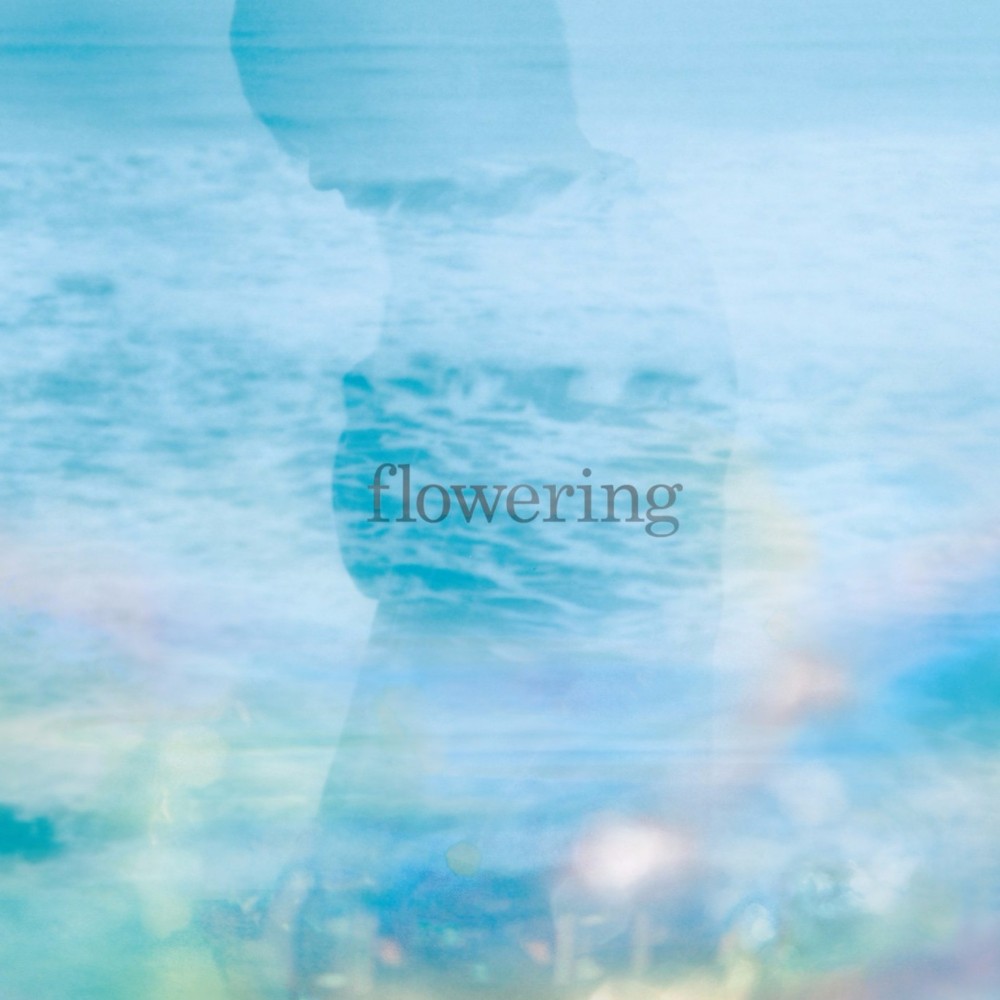
A striking element is the imagery of transparency and the desire to be a "transparent person" who can tell "beautiful lies." This paradox suggests a longing for an idealized self that is both honest and capable of navigating social complexities, yet the narrator feels unable to achieve this. The recurring motif of wind ("if I touch the wind, will I be swept away?") introduces a sense of fragility and the fear of being dissolved or carried off by external forces, mirroring the internal struggle to maintain a cohesive identity.
Ultimately, the effectiveness of these lyrics lies in their raw portrayal of existential uncertainty and the quiet desperation of feeling incomplete. The repeated pleas and fragmented memories create a palpable sense of longing and vulnerability. The writing doesn't offer easy answers but instead immerses the listener in the narrator's internal world, making their struggle feel immediate and deeply personal.
 View Artist