Song Meaning
Tiziano Ferro's "Temple Bar" isn't just a postcard from Dublin; it's a sonic exploration of memory, longing, and the ghosts that haunt even the most vibrant of places. The song's title, referencing the famous Dublin locale, immediately sets the stage – a place brimming with life, yet capable of holding profound personal significance. The lyrics hint at a relationship navigating uncertainty, shrouded in a metaphorical "foschia" (mist) that obscures the future. The question "Più tempo per noi?" (More time for us?) hangs heavy, suggesting a relationship at a crossroads, its fate unclear.
Ferro positions himself in a dialogue with the divine, but tellingly, his connection to God seems mediated through the presence of the song's subject: "Che parlo con Dio / Solo se ascolti tu" (I only speak with God if you listen). This hints at the intense emotional investment in the relationship, where the beloved becomes a conduit to something larger than himself. The references to specific Dublin locations – Grafton Street, Ormond Quay – map out a landscape of shared experiences, now tinged with the bittersweet quality of remembrance. These places become containers for memories, amplifying the emotional weight of the past.
Ultimately, "Temple Bar" delves into the complex aftermath of love. The speaker anticipates a return to this significant location, not necessarily for rekindling, but for confronting the lingering emotions. He envisions stealing a whispered "ti amo" (I love you), followed by a cascade of negative emotions: resentment, dismay, anger. The song concludes with the raw question, echoing through the "foschia" of Temple Bar: "Ci pensi più a noi?" (Do you still think of us?). This isn't a simple love song; it's a study of how places can become indelibly linked to our emotional histories, and how the echoes of past relationships can reverberate long after they've ended.
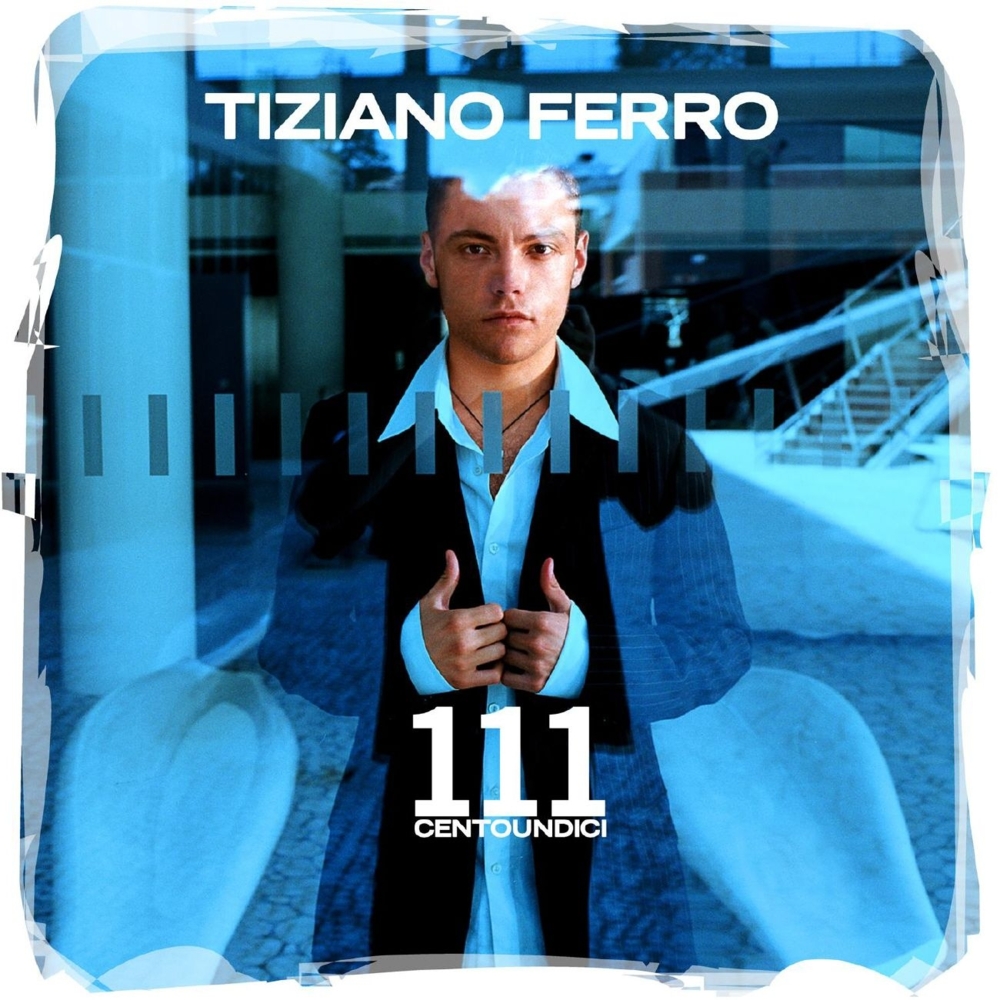
 View Artist