Song Meaning
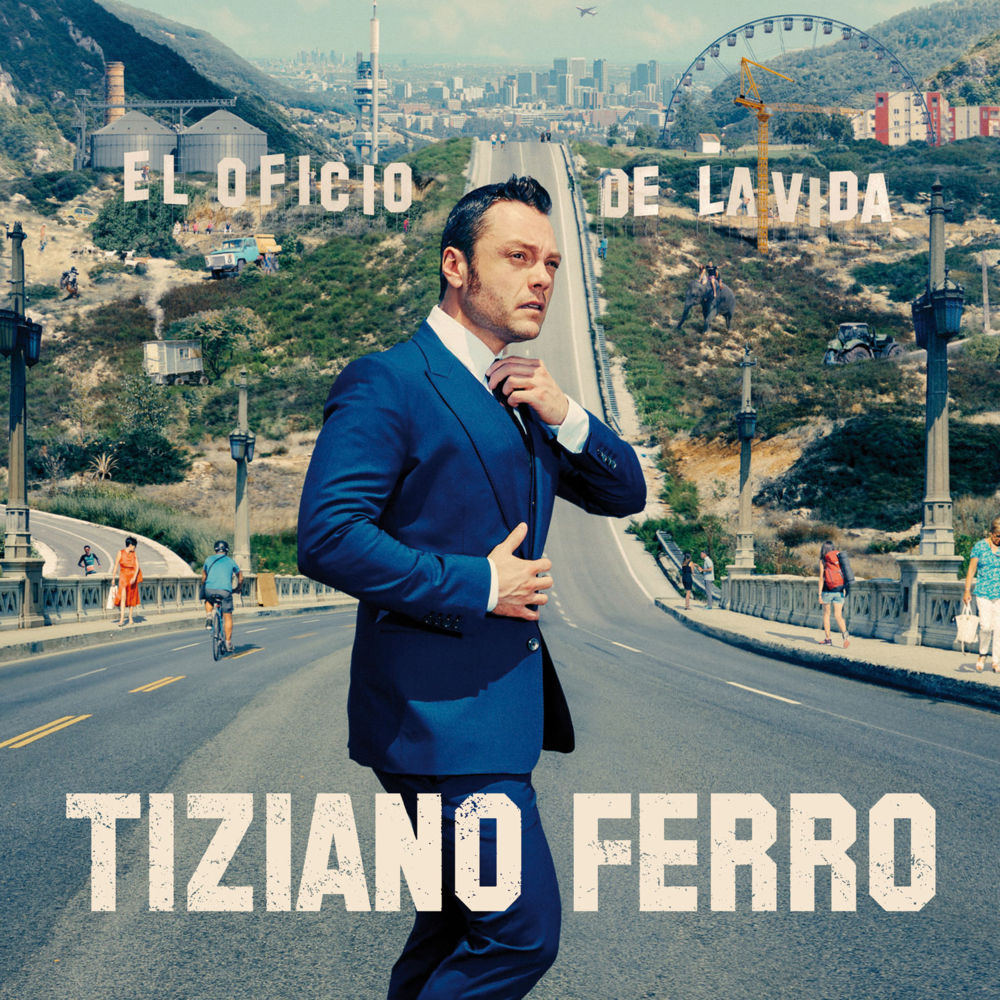
{"song_id": 12521119, "meaning": "Tiziano Ferro's \"Casi\" is a masterclass in understated agony, a portrait of a man suspended in the purgatory of longing. The repeated use of \"casi\" (almost) throughout the lyrics isn't just a linguistic tic; it's the very architecture of the song's emotional core. He *almost* showers, *almost* dresses, *almost* lives a normal day. Each near-action is a tiny monument to his paralysis, a testament to how grief and longing can erode the simplest routines. The cumulative effect paints a stark picture of a life put on hold, orbiting a love that's either absent or unattainable. The devil is in the details: even the mundane act of buying groceries (\"Casi lleno la cesta\") becomes an unbearable task.
The chorus, a raw plea of \"Te espero, te espero\" (I wait for you, I wait for you), cuts through the listless verses like a knife. The speaker confesses to feeling profoundly sad and alone, likening himself to winter – a season of cold, barrenness, and waiting. This metaphor is particularly resonant, evoking the dormancy and emotional hibernation that often accompany heartbreak. He's not just sad; he's frozen, incapable of moving forward. The repeated denial from his phone, \"Cien mil veces mi móvil / Dice que no has llamado\" (A hundred thousand times my phone / Says you haven't called), underscores the maddening cycle of hope and disappointment that fuels his despair.
What makes \"Casi\" so psychologically astute is its depiction of avoidance. The speaker *almost* cries in the street, *almost* sees himself in the mirror. These near-misses suggest a deep-seated fear of confronting the full weight of his emotions. He's teetering on the edge of collapse, desperately clinging to the remnants of his former self. Even the act of watching a French film becomes a near-experience: \"Casi, casi me gusta / Casi, casi me entero / Y casi me enseña\" (Almost, almost I like it / Almost, almost I find out / And almost it teaches me). The film offers a potential escape, a chance for emotional catharsis, but even that remains just out of reach, a symbol of his inability to fully engage with the world while consumed by this absence. The final lines, where he is up at 3 AM, “Casi enciendo la luz/Casi voy al espejo/Y casi me veo la cara” is perhaps the most potent – he can’t even face himself."
}