Song Meaning
Tiziano Ferro's "13 Años" isn't just a song; it's an elegy etched in raw emotion, a sonic exploration of grief's persistent echo. The lyrics, steeped in a longing for a vanished voice, paint a portrait of someone grappling with profound loss. The opening lines reveal a simple, devastating desire for a moment of peace, to once more hear "Un hilo de su voz"—a thread of her voice. This isn't just remembrance; it's an active, aching yearning, suggesting a relationship severed too soon. The phrase "Me voy y no te llevo conmigo" (I'm leaving and I'm not taking you with me) hits with the force of a physical blow, highlighting the brutal finality of death and the abandonment it leaves in its wake. The song becomes a meditation on what could have been, the unfulfilled promises and the agonizing weight of absence.
Ferro delves into the ethereal, imagining the departed soul among the stars or cradled by angels. This isn't necessarily religious sentiment but a coping mechanism, a desperate attempt to find solace in the face of the unexplainable. The lines about angels "Que con dulzura la toman / Y desatentos tienden las manos" (Who gently take her / And carelessly reach out their hands) offer a complex image, suggesting both comfort and a sense of randomness in the universe, a feeling that even in heavenly care, there's a certain indifference to individual fate. This duality is key to understanding the song's emotional core: it acknowledges both the beauty and the inherent unfairness of death.
The final verses shift the focus inward, to the survivor's ongoing struggle. "Y yo que aùn escucho / Y yo que aùn me pierdo" (And I who still listen / And I who still get lost) speaks to the disorienting effect of grief, the way it can warp perception and leave one perpetually searching for something that is irretrievably gone. The passage of time, symbolized by the "13 años" (13 years) mentioned in the title and closing lines, offers no easy resolution. Instead, it underscores the enduring nature of loss, the way it can become woven into the fabric of one's being. "La vida dura nada" (Life lasts nothing) is not a nihilistic statement but a poignant recognition of life's fragility, a reminder to cherish every moment and to hold onto the memories of those we've loved and lost.
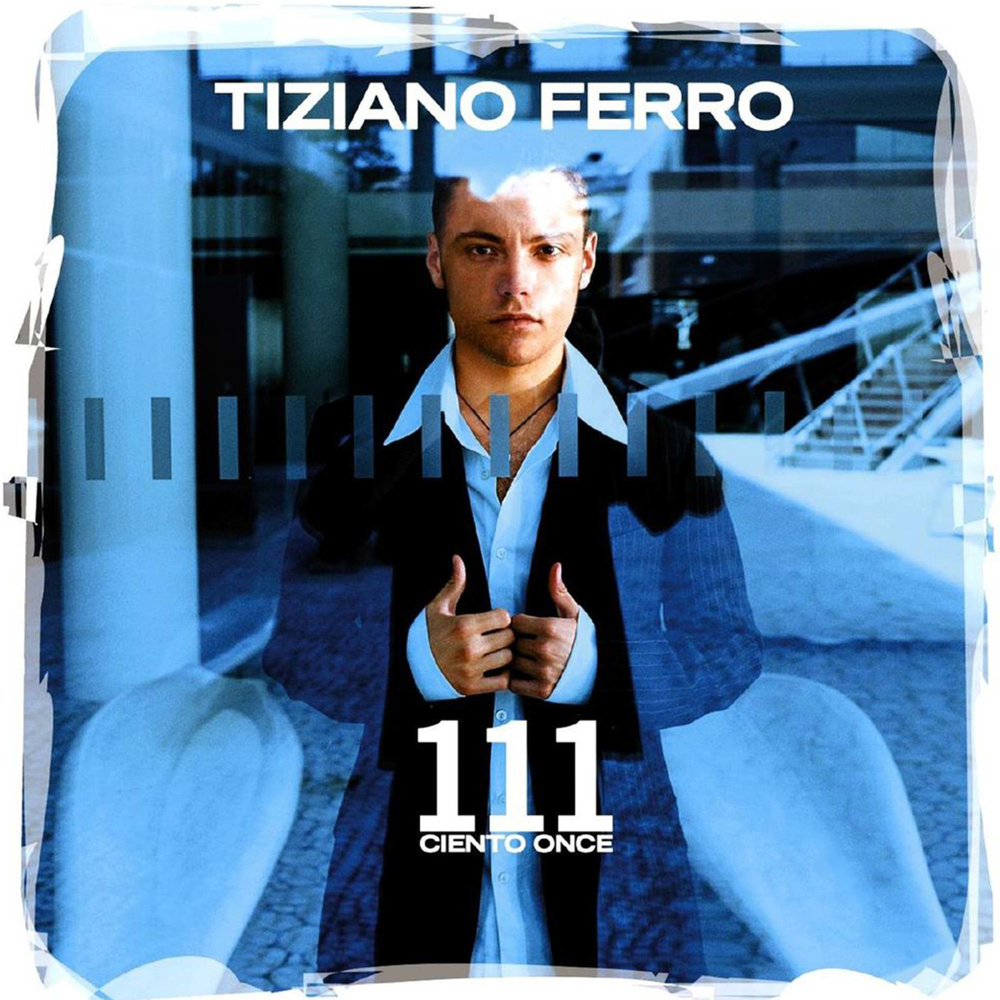
 View Artist