Song Meaning
The narrator is weighed down by an immense, lifelong burden, represented by the repeated, stark image of "sixty-nine stones." This isn't a fleeting sadness; it's a constant, defining aspect of their existence, suggesting a deep-seated struggle that has shaped their entire life. The phrase "bound to roam" implies a restless, perhaps inescapable, condition tied to this heavy load. It's a profound sense of carrying something unshakeable, a perpetual weight.
The lyrics then pivot to explore the paradoxical nature of the "will to live." This fundamental drive, usually seen as positive, is framed as a potential curse. It's the force that perpetuates existence even when faced with suffering and a seemingly bleak world, described as "just a lot of dirt." The narrator suggests that this will to live is what compels us to endure pain, making the very act of survival a source of hurt.
This primal force is further illustrated through unsettling natural imagery. It's the unseen agent that causes "mold on food" and turns a single insect into an "infestation," highlighting its relentless, sometimes destructive, growth. It's also the power that pushes "weed up from beneath concrete," a tenacious, almost aggressive, surge of life. The lyrics present this as a universal, albeit grim, necessity: "We all gotta eat."
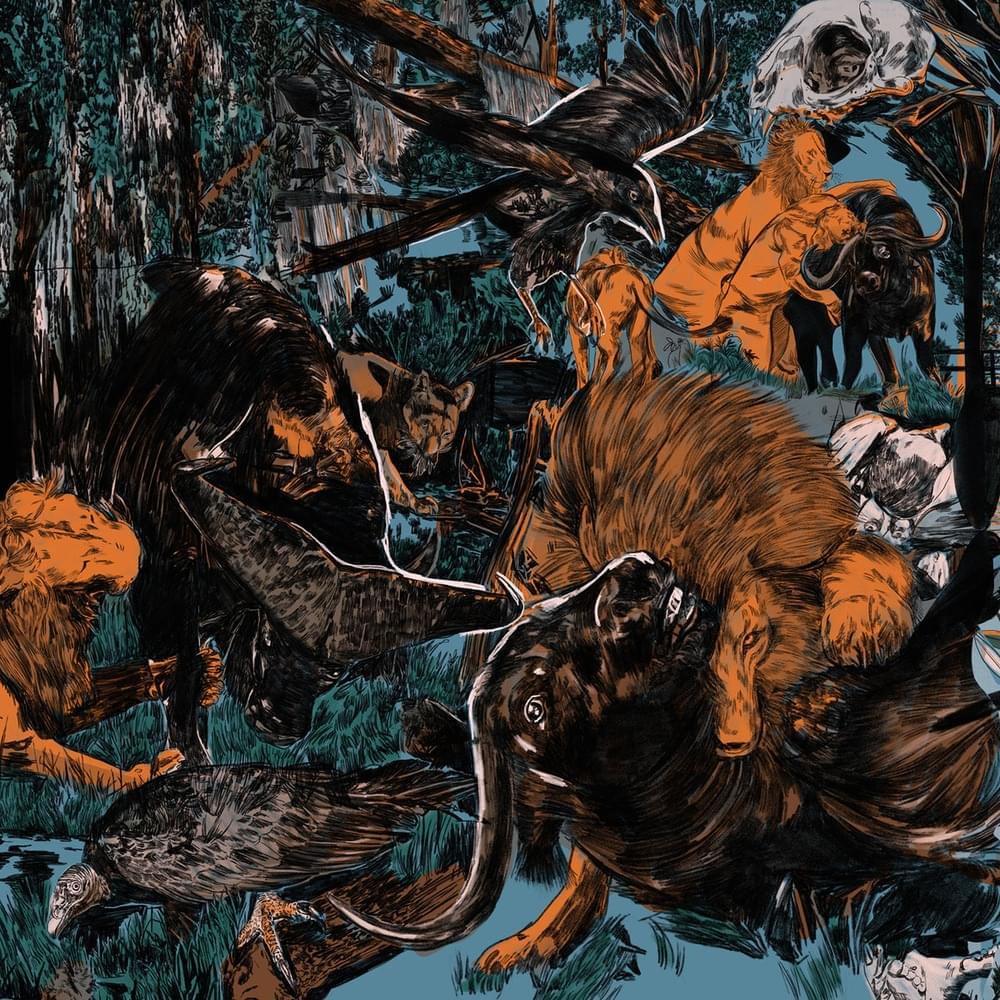
The narrator connects this will to live to a primal, even violent, instinct for survival. It transforms harsh realities into a "blessed home" where "teeth rip flesh from bone," and it's the "prize of the survivors" and the look in "hungry tigers" eyes. This is the raw, unvarnished essence of existence, a fierce drive that the narrator feels acutely, ultimately linking back to the crushing weight of those "sixty-nine stones" that "won't leave me alone."
 View Artist