Song Meaning
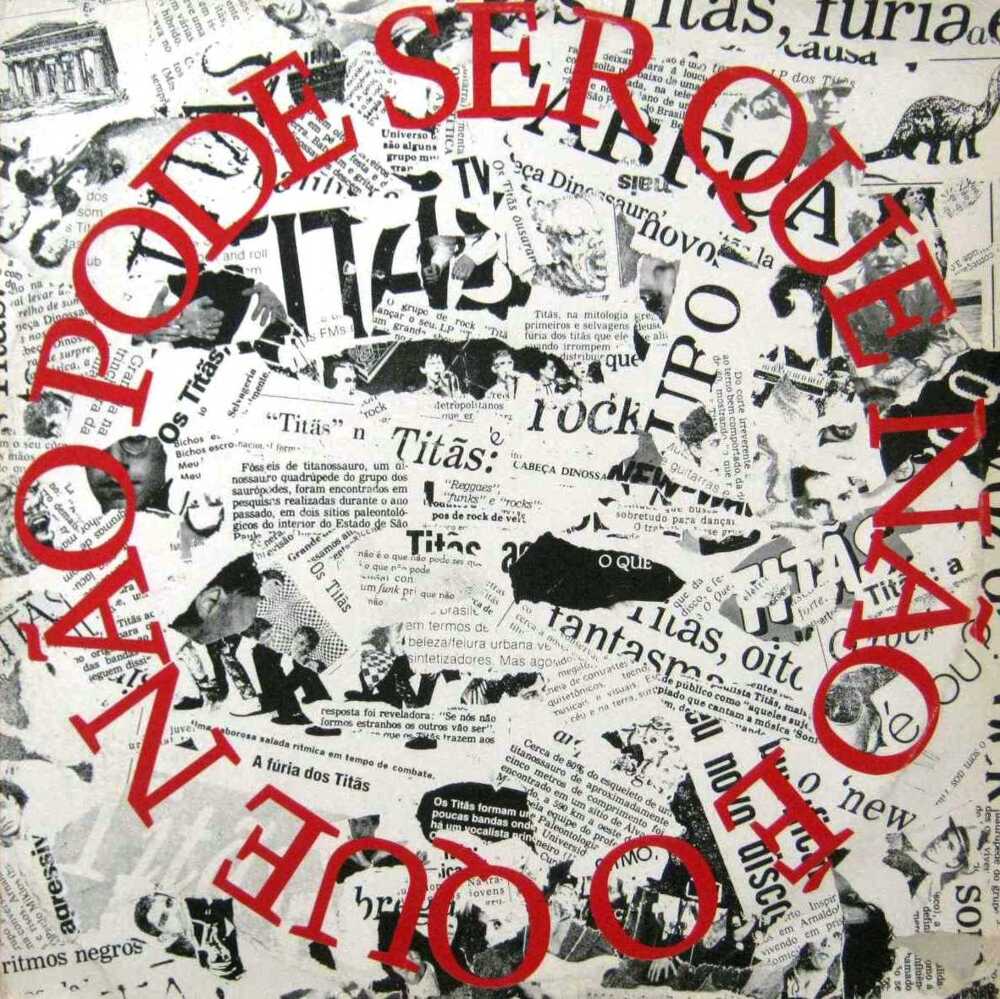
The lyrics present a disorienting loop of negation and questioning, immediately establishing a tone of frustration and confusion. The repeated phrases "Que não é o que não pode ser" (Which is not what cannot be) and its variations create a sense of being trapped in a linguistic paradox. This relentless denial and qualification suggest a struggle with defining reality or identity, where possibilities are constantly shut down before they can even be articulated. The direct, almost aggressive "É!" (It is!) at the end of the first verse feels like a desperate attempt to assert something, only to be swallowed by further uncertainty.
The central tension here is the inability to grasp or define "what is." The narrator seems to be wrestling with a concept, a feeling, or a situation that remains stubbornly out of reach, always defined by what it is not or what it cannot become. The insistent repetition of "O quê?" (What? What? What?) in the second verse amplifies this feeling of bewilderment and a desperate search for an answer that never arrives. It's the sound of someone trying to pin down smoke.
The most striking aspect of the craft is the extreme reliance on negation and repetition to build meaning, or rather, the absence of it. The lyrics don't offer concrete images or narratives; instead, they construct an emotional landscape through pure linguistic deconstruction. This minimalist approach, stripping away positive assertions, forces the listener to confront the void and the anxiety that comes with it. The structure itself mirrors the feeling of being stuck, cycling through the same phrases without resolution.
This lyrical construction is effective because it externalizes an internal state of profound uncertainty and existential doubt. By refusing to name or define, the song taps into a universal human experience of grappling with the unknown or the ineffable. The relentless, almost maddening repetition makes the listener feel the narrator's frustration viscerally, creating a powerful, albeit abstract, emotional resonance. It's a stark portrayal of being lost in thought, and by, language itself.
 View Artist