Song Meaning
The lyrics present a stark hierarchy, starting with human law, then God's law, and finally, a shocking assertion: money reigns supreme. This initial setup immediately establishes a provocative and cynical worldview, questioning established moral and divine orders. The repetition of "Acima dos homens" (Above men) builds a sense of escalating power structures, only to deliver the punchline that money surpasses even divine authority.
This hierarchy creates a central tension between abstract ideals like law and God, and the tangible, corrupting power of wealth. The lyrics then pivot to describe money's contradictory actions: it "mata, salva, compra" (kills, saves, buys) and "suja, limpa" (soils, cleans). This duality highlights money's absolute, amoral influence, capable of both destruction and salvation, purification and corruption, all while being the ultimate arbiter of what is desired, even love.
The most striking craft element is the direct, unadorned declaration that money is above God's law, followed by its paradoxical capabilities. The short, declarative sentences in the first half create a sense of undeniable, almost biblical pronouncement, which is then subverted by the chaotic, contradictory power attributed to money. The final lines, "Amor verdadeiro / Dinheiro, amor por dinheiro!" (True love / Money, love for money!), encapsulate this inversion, suggesting that even genuine affection is either bought or rendered meaningless by the pursuit of wealth.
These lyrics hit hard because they tap into a deep-seated cynicism about power and value in the world. By systematically dismantling traditional sources of authority and replacing them with the absolute power of money, the song forces a confrontation with a harsh reality. The paradoxical descriptions of money's effects make its influence feel both terrifying and all-encompassing, leaving the listener to grapple with a world where wealth dictates all.
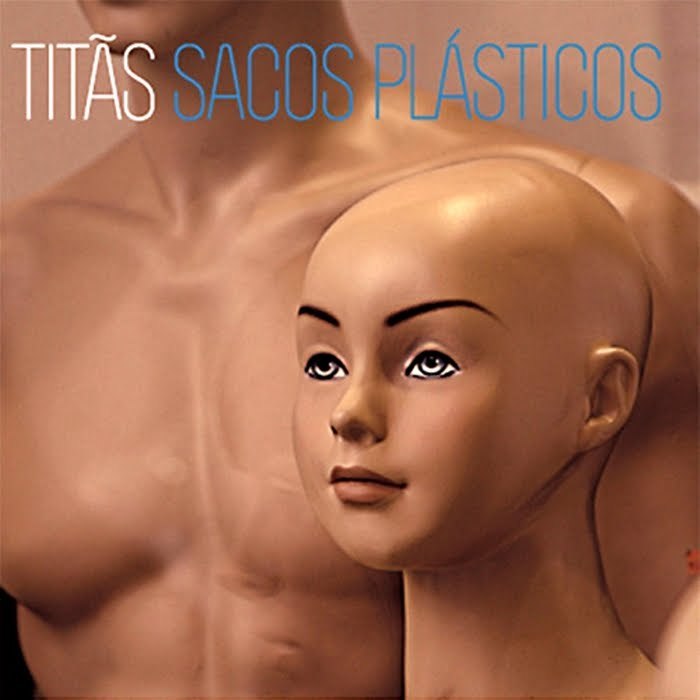
 View Artist