Song Meaning
The lyrics paint a picture of someone deliberately revisiting a cherished past love. It's a poignant act of memory, a conscious choice to linger in what was. There's a clear sense of longing for a time that has passed.
The core tension here lies in the speaker's active decision to remain tethered to the past, even while acknowledging its futility. The repeated plea, "Let me remember," isn't just a wistful sigh; it's a defiant stand against the relentless flow of time. This internal conflict is starkly highlighted by the chorus, which states that "Time marches on" and "never looks that way again," directly contrasting with the speaker's stubborn desire to "always stay" in that remembered moment.
The lyrical craft shines in its vivid, yet concise, imagery that traces the arc of a relationship. What began as "just an ember" of a dream was fanned to a full flame by the "winds of time," a beautiful metaphor for love's organic, almost inevitable growth. Later, specific details like "Your city's streets became my daydreams" and "starry nights" ground the memory in a tangible, romanticized setting, showing how deeply the love permeated the speaker's perception of the world.
What makes these lyrics resonate is their raw honesty about the human tendency to cling to beautiful, painful memories. The speaker's self-awareness—acknowledging it's their "heart I'm breakin'"—elevates the narrative beyond simple nostalgia, revealing a conscious, almost masochistic, choice to endure the ache of remembrance. This deliberate act of "remember[ing] my own way" suggests a profound attachment, where the pain of the past is preferable to a present devoid of that intense feeling.
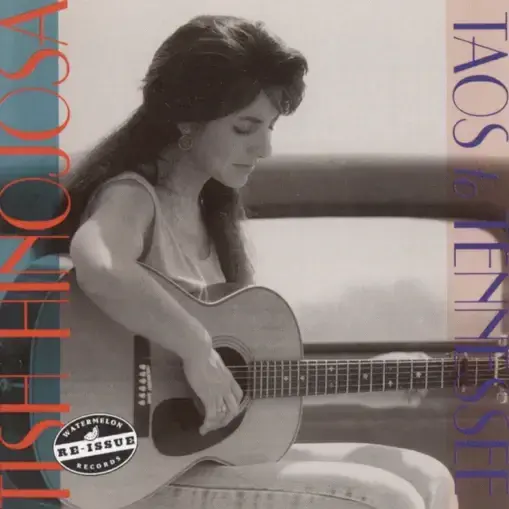
 View Artist