Song Meaning
The lyrics paint a picture of a cyclical, almost monotonous existence, anchored by the repetition of "30.000." This vast number, applied to "culi" (asses/buttocks), "guance ovali, uguali" (oval, identical cheeks), and "giorni sopra alla mia morale, normale" (days above my normal morality), suggests a sense of overwhelming sameness and perhaps a loss of individuality. The return of the sun to its "normal" state, mentioned twice, reinforces this feeling of predictable, unchanging patterns.
The core tension seems to lie between a personal "vision" or "fantasy" and the inescapable reality of this repetitive cycle. The narrator admits to having "accroccata" (cobbled together) this vision, implying it was perhaps a fragile or artificial construct. The phrase "Tanto tutto torna sempre uguale" (After all, everything always returns the same) is a resigned acceptance of this futility, directly contrasting with any personal aspirations.
The most striking element is the sheer scale of the number "30.000" used to describe mundane, even slightly absurd, details. This hyperbole emphasizes the narrator's perception of an endless, undifferentiated mass of people and days. The recurring line "It's the last day, tornano..." (It's the last day, they return...) adds a layer of melancholic anticipation, hinting at an ending that merely resets the cycle, rather than offering true escape or change.
This lyrical approach is effective because it uses a stark, almost brutal, sense of scale to convey a profound feeling of existential ennui. The repetition and the focus on physical, common details create a grounded yet overwhelming atmosphere. The narrator's resigned tone, coupled with the cyclical imagery, makes the listener feel the weight of this perceived endless sameness.
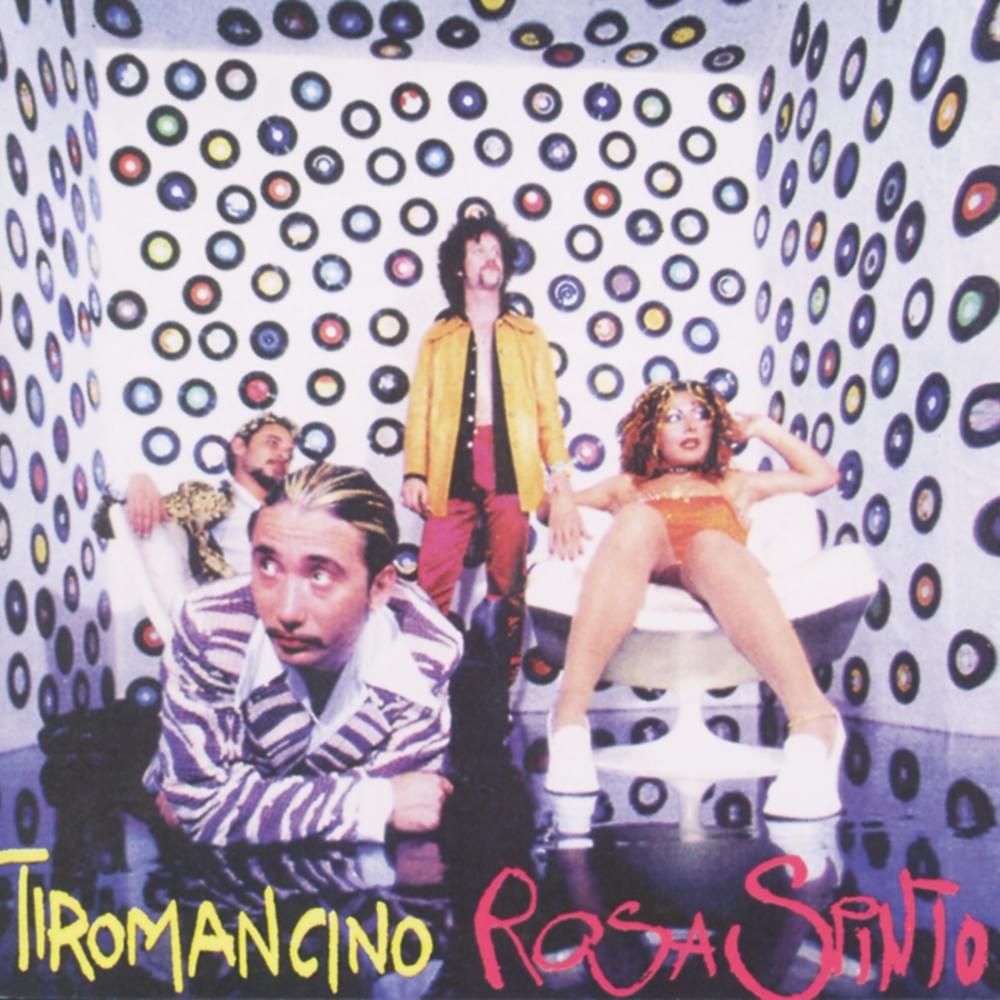
 View Artist