Song Meaning
The lyrics capture a child's innocent, yet profound, questioning of death and the afterlife, directly addressing their father. The child's initial queries are grounded in familiar, tangible concepts: comparing heaven to their "pretty and white" house and wondering about travel by car. This childlike perspective highlights a fundamental struggle to grasp the abstract nature of loss and eternal rest. The core of the child's confusion lies in the perceived unfairness of their mother's departure, asking, "If Mommy loved us so, why did she go there?"
The father's responses attempt to comfort, painting heaven as a "beautiful place" with "a smile on everyone's face." However, his words also betray the immense pain of his own loss, explaining Mommy "had to go" because "they needed her more." This creates a poignant tension between the idealized vision of heaven for the child and the father's own grief-stricken reality. He struggles to reconcile his need for his wife with the idea that she is in a better place.
The most striking element is the contrast between the child's eagerness and the father's underlying sorrow. The child excitedly asks, "I can hardly wait; heaven sounds great," eager to join their mother. Yet, they immediately notice their father's hidden pain, observing, "Why is there, Daddy, a tear in your eye?" This simple observation cuts through the father's attempts to present a cheerful facade, revealing the profound sadness that accompanies his explanations of heaven.
These lyrics resonate because they articulate the universal difficulty of explaining death to a child, especially when the adult is also grieving. The child's direct, unvarnished questions and the father's gentle, yet heartbroken, answers create an emotionally raw and deeply human exchange. The writing effectively uses the child's innocent perspective to expose the complex layers of grief, love, and the struggle to find comfort in the face of irreversible loss.
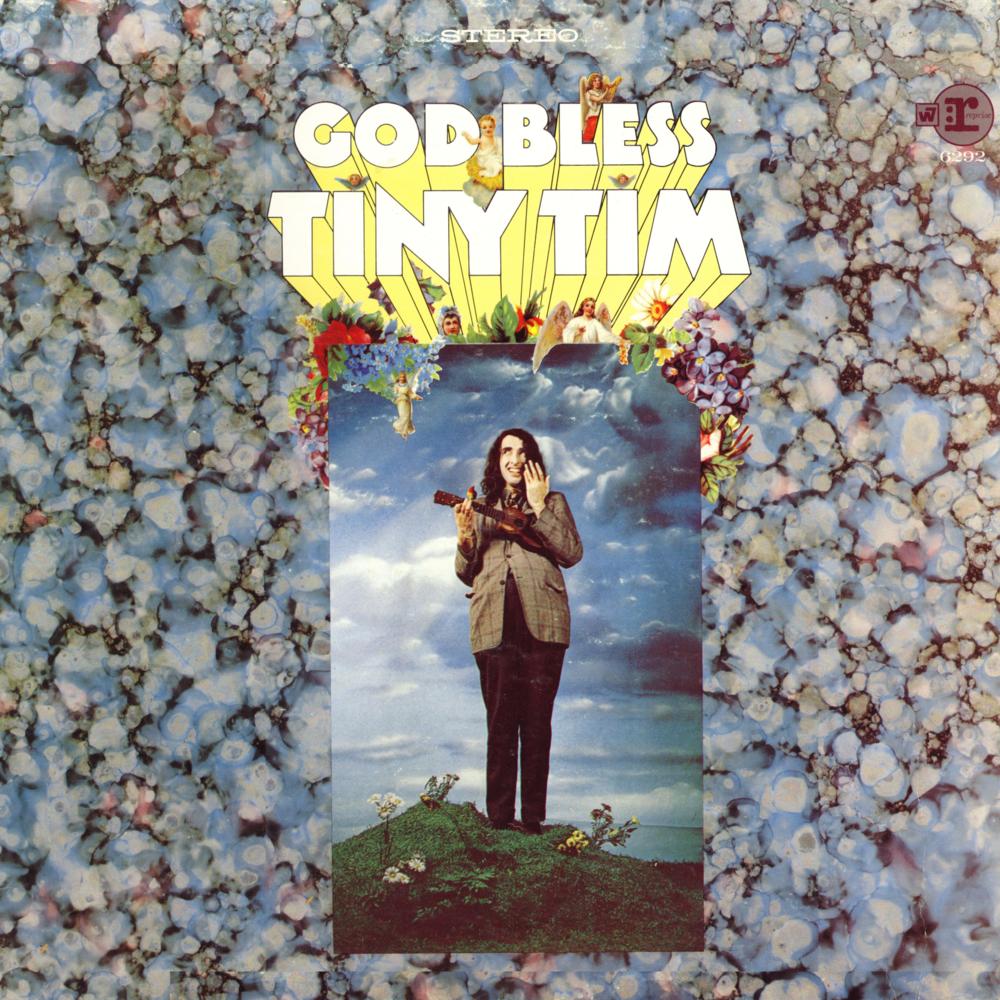
 View Artist