Song Meaning
This is a raw plea for divine intervention, a desperate whisper to the Virgin Mary. The narrator's heart is wide open, begging to be heard, even admitting to forgetting past prayers or words. It’s a confession of vulnerability and a direct appeal for forgiveness and mercy. The tone is one of deep, almost childlike, supplication.
The central tension lies in the narrator's perceived distance from the divine, marked by forgetting and a plea for forgiveness. They recall a past where Mary was a constant protector during childhood, but now, facing present pain and suffering, they feel the need to re-establish that connection. The phrase "Madona mia" injects a moment of intense, perhaps Italian-influenced, personal anguish.
The lyrics lean heavily on repetition and direct address to create a sense of urgency and intimacy. The repeated invocation of "Vierge Marie" anchors the prayer, while the contrast between past protection and present "douleur" and "souffrance" highlights the narrator's current distress. The shift from "Vierge Marie" to "Reine des cieux" broadens the appeal, emphasizing Mary's ultimate authority while still maintaining a personal plea.
This prayer's effectiveness stems from its unvarnished honesty and its grounding in a remembered, protective past. The narrator isn't asking for grand miracles, but for simple mercy and continued hope, making the plea feel intensely personal and relatable. The closing lines, "Vierge Marie, aie pitié de moi / Vierge Marie, réponds à ma voix," encapsulate the core of this desperate, hopeful appeal.
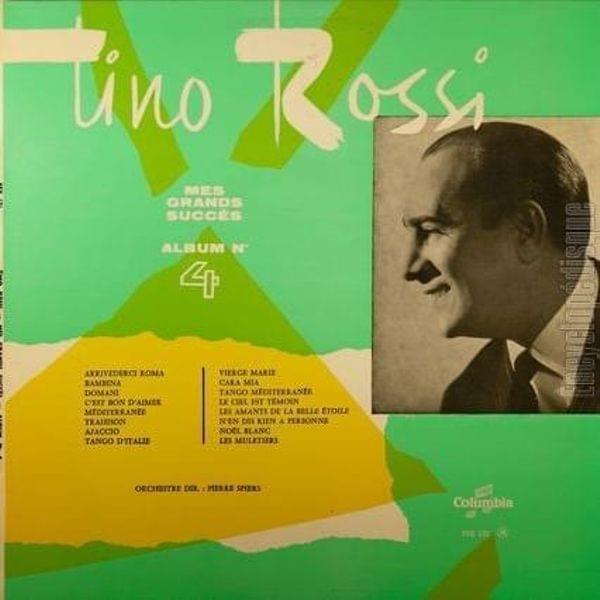
 View Artist