Song Meaning
The lyrics paint a picture of an idyllic, almost dreamlike escape, a moment of perfect peace where fear is absent and only two people exist. The narrator describes a vision of a simple, white cottage nestled deep in the woods, surrounded by the soothing sounds of nature – babbling brooks and birdsong. This imagined retreat is presented as a sanctuary, a place of quietude and natural beauty, bathed in the gentle light filtering through the leaves. It’s a scene designed for ultimate tranquility and shared happiness.
However, this perfect vision is immediately undercut by a stark realization: the imagined paradise is incomplete. The narrator admits that despite the serene setting, the scene is actually "sad and gloomy" because a crucial element is missing. The entire fantasy hinges on the presence of Manon. Without her, the beautiful landscape is rendered hollow and meaningless, highlighting her central importance to the narrator's sense of happiness and fulfillment. The imagined peace is contingent entirely on her joining him.
The core of the lyrics lies in this poignant contrast between an external, idealized setting and the internal emotional need that defines it. The narrator’s craft in building this serene image only to dismantle it with a single, vital omission is what gives the passage its emotional weight. The shift from describing a seemingly perfect natural haven to declaring it "sad and gloomy" because of Manon’s absence is a powerful demonstration of how personal connection can redefine perceived happiness. The repeated plea, "Il y faut encore Manon ! Viens !" underscores this dependency.
Ultimately, these lyrics resonate because they capture a universal truth about love and companionship: the most beautiful surroundings are empty without the right person to share them with. The narrator’s ability to articulate this deep longing, transforming a picturesque landscape into a symbol of incompleteness until Manon arrives, makes the sentiment deeply felt. The writing effectively uses the imagined retreat not just as a setting, but as a canvas upon which the narrator’s profound need for Manon is vividly displayed, and somewhat melancholically, displayed.
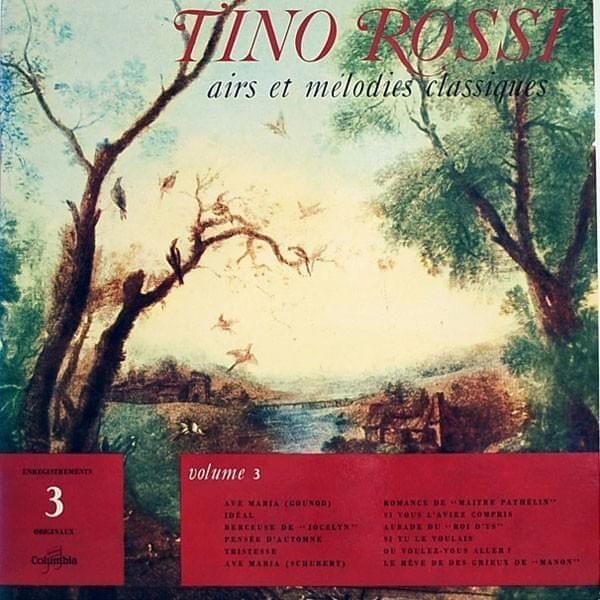
 View Artist