Song Meaning
These lyrics lay bare a raw, unyielding declaration of love, immediately tempered by a profound sense of hopelessness. The speaker is singing directly to the object of their affection, an act of devotion that feels both desperate and inevitable.
The central tension here is the stark contrast between the speaker's deep love and the absolute absence of reciprocation. Phrases like "sans espoir" (without hope) and the rhetorical "sans retour" (without return) underscore this painful reality. Yet, despite this crushing certainty, the speaker persists, declaring, "Mais quand même, je chante pour vous ce soir" (But still, I sing for you tonight), highlighting a poignant, almost defiant act of expression.
The craft truly shines in how it conveys the speaker's internal turmoil. Giving their "pauvre cœur à garder" (poor heart to keep) suggests a tender, vulnerable offering. This vulnerability escalates in the second verse, where the speaker's soul is "en déroute" (in disarray) and they feel "comme un enfant qui a perdu sa route" (like a child who has lost their way). This simile powerfully captures a complete sense of disorientation and helplessness, making the emotional impact immediate and visceral.
Ultimately, these lyrics hit hard because they articulate the universal ache of loving someone who cannot or will not love you back, yet finding yourself compelled to express that love anyway. The direct language and vivid imagery of a lost child or a routed soul make the speaker's pain palpable, creating an intimate connection with the listener through sheer, unvarnished emotional honesty.
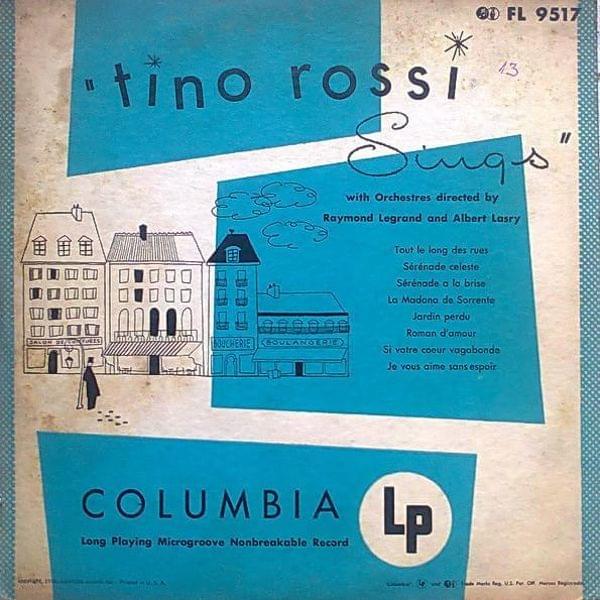
 View Artist