Song Meaning
The lyrics open with a desperate plea, a mother invoking the Virgin Mary as a queen of heaven and a source of hope. The immediate emotional texture is one of profound suffering and fear, as the narrator begs for grace and expresses her deep-seated hope in the Virgin's eyes. This raw vulnerability is amplified by the stark contrast between her own misery and the imagined suffering of her son, who is described as "mourant" (dying).
The central tension lies in the mother's agonizing prayer for her child's life, juxtaposed with her own willingness to sacrifice everything. She implores Mary, "Comprends mes pleurs, toi qui fus mère" (Understand my tears, you who were a mother), highlighting a shared maternal experience as the basis for her plea. The narrator's desperation escalates to the point of offering her own life, stating, "Qui veut mourir pour son enfant !" (Who wants to die for her child!), a powerful testament to a mother's ultimate love and sacrifice.
The most striking craft element is the narrative arc that unfolds through the three couplets, moving from despair to a miraculous resolution. The lyrics shift from the mother's initial fear of divine wrath and her son's impending death to a scene of rebirth and healing. The imagery of the child reviving "Ainsi qu'une brillante fleur" (Like a brilliant flower) offers a beautiful, almost ethereal depiction of recovery, transforming the tone from one of impending doom to one of profound gratitude and wonder.
This lyrical progression is deeply effective because it taps into a primal human desire for protection and redemption, powerfully rendered through the specific lens of maternal love. The direct address to the Virgin Mary, coupled with the mother's unwavering faith and willingness to sacrifice, creates an emotional resonance that feels both intensely personal and universally understood. The final "Ave Maria!" serves not just as a concluding prayer, but as an expression of overwhelming thanks for a divine intervention that saved her "enfant" (child).
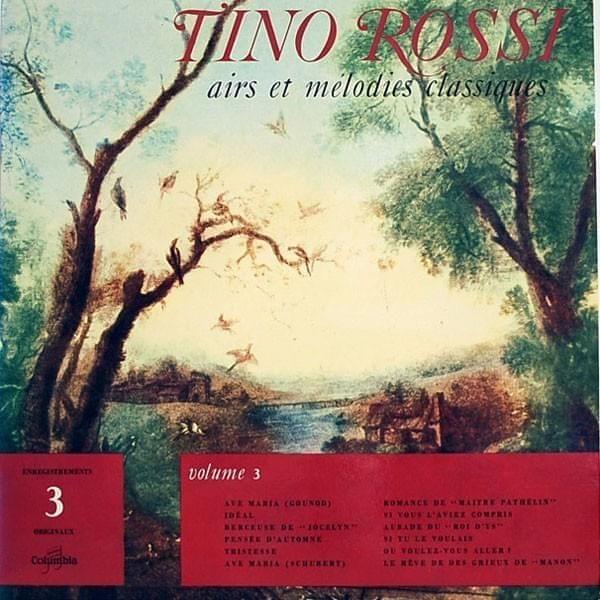
 View Artist