Song Meaning
The lyrics paint a picture of someone lost in a self-imposed fantasy, a "cuento" from which they refuse to emerge. This "encantada" state, characterized by sleeping with a pillow and forgetting to laugh, suggests a deep withdrawal from reality. The narrator appears to be addressing this figure, urging them to break free from this enchanted slumber and confront the world outside their dreamscape. The contrast between this internal, passive existence and the external perception of the figure is stark.
The narrative then shifts to external gossip and speculation about this person, labeling her "la bruja" and an "aliada de Lucifer," with a "tacón de aguja." This harsh judgment is juxtaposed with whispers of her past glory: "Cuentan que era estrella." The lyrics imply a fall from grace, suggesting that "la botella acabó con ella / Hasta hacerla enloquecer," pointing to substance abuse as a potential catalyst for her current state and the loss of her former power. This creates a central tension between the perceived witch and the fallen star.
The chorus acts as a plea, a direct address to the figure, calling her "mi hada, estrella invitada" and "reina de la noche." The narrator attempts to pull her back to reality, urging her to "Sube al coche" and "olvida tu malhumor." The repetition of "Victima del desamor" highlights a potential root cause for her withdrawal and the subsequent downfall. The lyrics also weave in a brief, almost tangential mention of "Samantha," a "musa" to a "mediocre pintor," adding another layer of fallen artistry or lost potential, further emphasizing the theme of diminished glory.
What makes these lyrics resonate is the vivid portrayal of a tragic figure caught between a fabricated dream and a harsh reality, fueled by past heartbreak and present addiction. The shift from the passive "encantada" to the gossiped-about "bruja" and the pleading "hada" creates a compelling emotional arc. The repeated phrases like "Reina de la noche" and "estrella" underscore the lost grandeur, making the current state of "¡Quien te ha visto y quien te ve!" all the more poignant. The writing effectively captures the feeling of watching someone you know disappear into themselves, a victim of circumstances and perhaps their own choices.
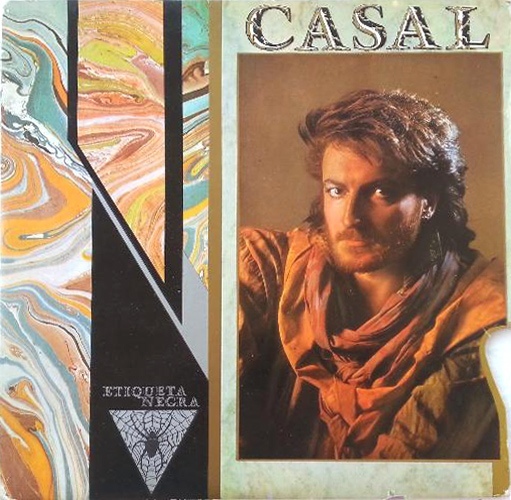
 View Artist