Song Meaning
The lyrics paint a picture of someone pushing back against external judgment and societal pressure. The opening lines, "Eu só quero sair / Pra ser eu / Quero respirar," immediately establish a desire for authenticity and freedom. This sets the stage for a defiant stance against those who try to "bota na caixa, quer me rotular" (put me in a box, want to label me). The narrator asserts their agency, declaring, "Eu vou te mostrar onde é meu lugar" (I will show you where my place is), directly challenging the imposed definitions.
The central tension lies in the contrast between the external world's attempts to confine and define the narrator, and their internal drive for self-discovery and liberation. While the world is "acabando" (ending) and people are "julgando" (judging), the narrator is focused on "entender quem sou / Qual é meu valor / Aonde eu quero ir" (understanding who I am / what my value is / where I want to go). This internal quest for self-knowledge is presented as the ultimate act of defiance and freedom.
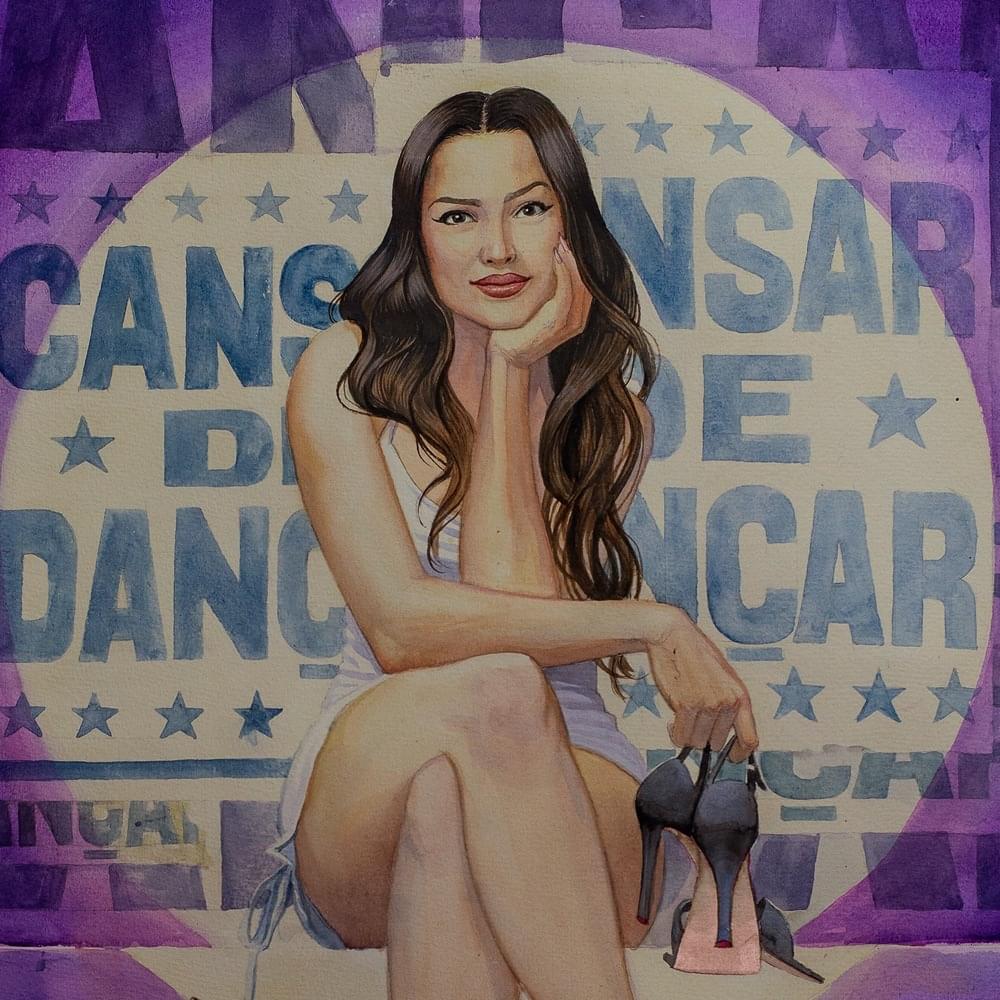
The repeated phrase "cansar de dançar" (to get tired of dancing) is the most striking lyrical device. Initially, it might seem like a simple expression of exhaustion. However, in the context of the verses, it takes on a deeper meaning. Dancing here appears to represent the performance or the act of conforming to societal expectations, perhaps even the act of trying to please others or fit in. The narrator's desire to "get tired of dancing" suggests a rejection of this performative existence, a yearning to stop playing a role and simply *be*. The bridge, with its focus on feeling heat, sweating, and feeling love, further emphasizes a return to raw, authentic sensation over external validation.
Ultimately, the effectiveness of these lyrics stems from their raw, direct expression of a universal desire for self-acceptance. The relentless repetition of "cansar de dançar" hammers home the weight of this performative burden. By choosing to embrace exhaustion from this act, the narrator finds a path to genuine selfhood, suggesting that true freedom comes not from endless motion, but from the courage to stop and simply exist as oneself.
 View Artist