Song Meaning
The lyrics paint a picture of someone caught in an impossible bind, desperately trying to navigate conflicting impulses or situations. The opening lines immediately establish a sense of disorientation and struggle, with the narrator admitting they're "falling down both sides." This isn't just indecision; it's an active, painful descent, amplified by the paradoxical image of a "sun is cold, its light unfair." The narrator seems to be grappling with choices that have already been made, suggesting a past action or predicament that continues to haunt them.
The central tension arises from the narrator's awareness of "those who love" and their own inability to align with that seemingly simpler state. They "hear that song" of love, but their reality is one of constant falling, of things slipping through their fingers and being actively thrown away. This contrast between an idealized, perhaps unattainable, emotional state and the narrator's messy, self-sabotaging actions fuels the song's core conflict. The repetition of "I threw, I threw" underscores a sense of regret and a destructive impulse they can't seem to shake.
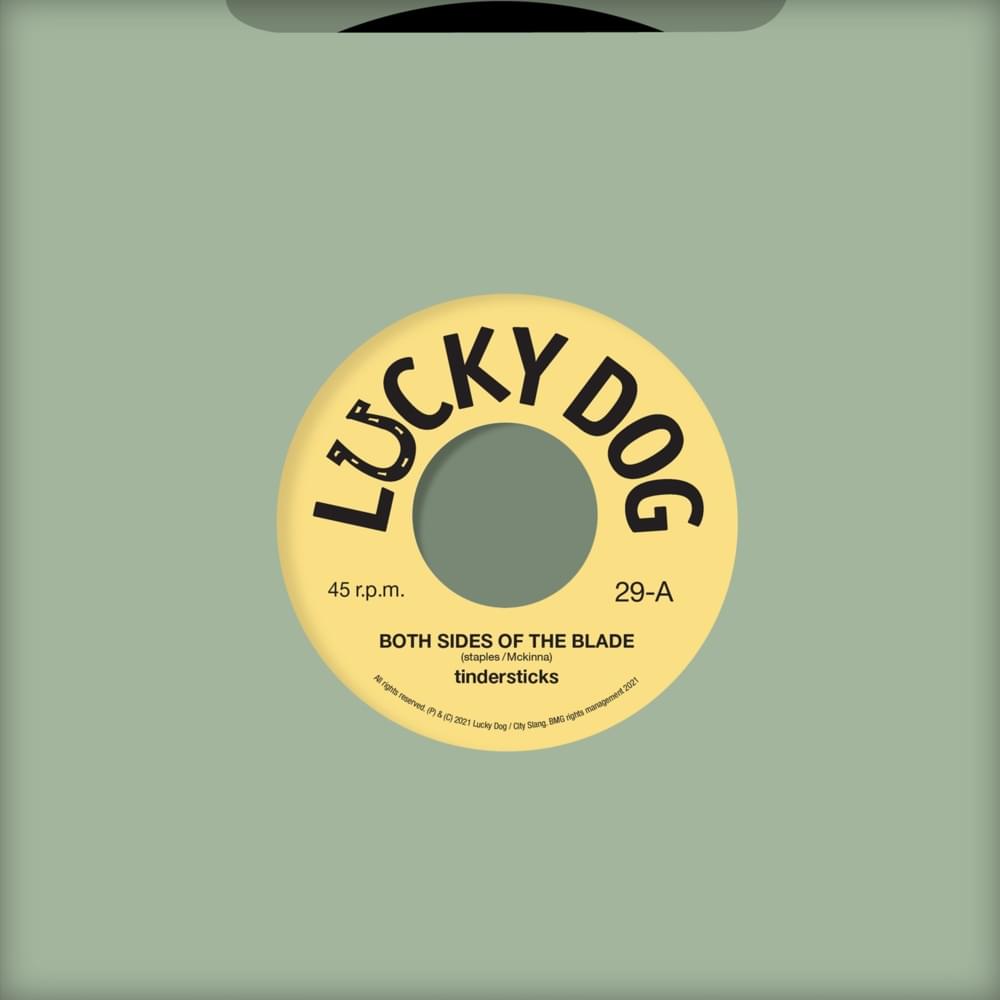
The most striking metaphor is the "falling down both sides of the blade." This image powerfully conveys the precariousness and inherent danger of their position. Every move, every attempt to find balance or do what's right, leads to further injury or a loss of control. The line "walk that line blind" suggests a lack of clear direction or understanding, further emphasizing the perilous nature of their situation. It's a desperate attempt to maintain equilibrium on a razor's edge, knowing that any misstep will be disastrous.
Ultimately, the effectiveness of these lyrics lies in their raw portrayal of internal conflict and the feeling of being trapped. The repeated phrase "falling down both sides" becomes an anthem for anyone who has felt pulled in opposing directions, unable to find solid ground. The imagery is visceral, making the abstract pain of difficult choices feel tangible and immediate. The narrator's struggle isn't just about making a decision; it's about the painful consequences of being unable to commit, leading to a constant, self-inflicted wound.
 View Artist