Song Meaning
Tina Arena's "Wouldn't Change A Thing" isn't just another pop confection; it's a testament to the cyclical nature of relationships and the hard-won wisdom gleaned from their inevitable ups and downs. The song's core idea revolves around a relationship that imploded, necessitating a painful 'brand new start.' But instead of wallowing in regret, Arena frames the separation as a necessary crucible, a period of absence that ultimately clarified the enduring bond between the lovers. The hook, 'I wouldn't change a thing,' becomes less a statement of blind optimism and more a declaration of acceptance. It acknowledges the pain of the past while simultaneously celebrating the strength forged through it. This isn't about rewriting history, but about understanding its crucial role in shaping the present.
The lyrics hint at a profound understanding of attachment theory. The initial breakup seemingly triggered a period of reflection and longing ('You started missing me / You could be kissing me'), suggesting a re-evaluation of the relationship's worth in the absence of constant contact. The realization that 'what we got is just too strong' speaks to a deep-seated compatibility that transcends superficial disagreements or temporary setbacks. Arena isn't advocating for staying in a toxic situation, but rather recognizing the intrinsic value of a connection that has weathered the storm. The song becomes a celebration of resilience, both individual and collective, within the context of romantic partnership.
Ultimately, "Wouldn't Change A Thing" offers a mature perspective on love, acknowledging that breakups aren't always failures, but sometimes necessary detours on the path to a stronger, more authentic connection. The repeated phrase 'We begin again' emphasizes the continuous nature of relationships, the constant renegotiation and rebuilding that is required to sustain them. Arena suggests that true love isn't about avoiding conflict, but about learning from it and emerging stronger on the other side. The song's meaning resides in its embrace of imperfection and its celebration of the enduring power of connection despite the inevitable challenges.
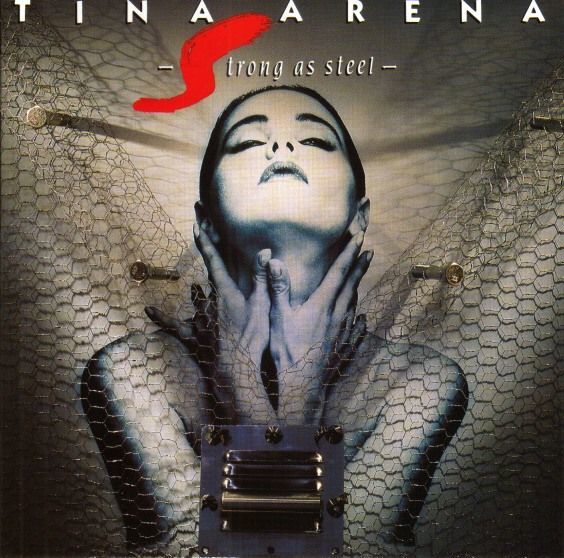
 View Artist