Song Meaning
The lyrics paint a picture of someone enduring immense emotional or psychological abuse, desperately trying to salvage a relationship or situation that's clearly failing. The repeated phrase "I tried so very hard" underscores a profound sense of effort and futility, suggesting a deep-seated desire to make things work against overwhelming odds. The narrator seems to be taking on all the blame and pain, even inviting it with lines like "Stick it to me when you can, I'll take it" and "Hit me until I just drop." This self-sacrificing stance, however, is framed by a growing sense of detachment and invisibility.
The central tension lies in the narrator's paradoxical state of being present yet absent, actively enduring suffering while simultaneously becoming a "missing person." This isn't a physical disappearance but an emotional one, where their efforts to appease or withstand the other person have led to their own erasure. The repetition of "It's really simple" acts as a darkly ironic refrain, highlighting the stark contrast between the complex emotional devastation being experienced and the perceived ease with which the other person inflicts pain or ignores the narrator's plight. The narrator offers their pain and even their very being to the other, stating, "Baby, it's yours," as if their suffering is a possession to be claimed.
The most striking element is the recurring motif of the "missing person" status, juxtaposed with the demand for a "certificate." The narrator is absent from the other person's awareness or concern, yet they are not officially gone, nor is there a formal acknowledgment of their suffering. The lyrics state, "Want a certificate / But nobody called you / No death certificate / But you know I'm missing." This implies a profound disconnect where the other person might be aware of the narrator's absence or distress but hasn't initiated contact or offered validation, leaving the narrator in a liminal state of being known yet unacknowledged.
Ultimately, these lyrics resonate because they capture the exhausting, self-destructive cycle of trying to please someone who causes harm, leading to a loss of self. The narrator's willingness to "bleed me until the last drop" and still offer themselves as "yours" reveals a deep-seated, albeit unhealthy, form of devotion or resignation. The "simple decisions" mentioned towards the end suggest that the other person's actions, or inactions, are the root cause of this emotional void, making the narrator's "missing" status a consequence of the other's choices rather than a personal failing.
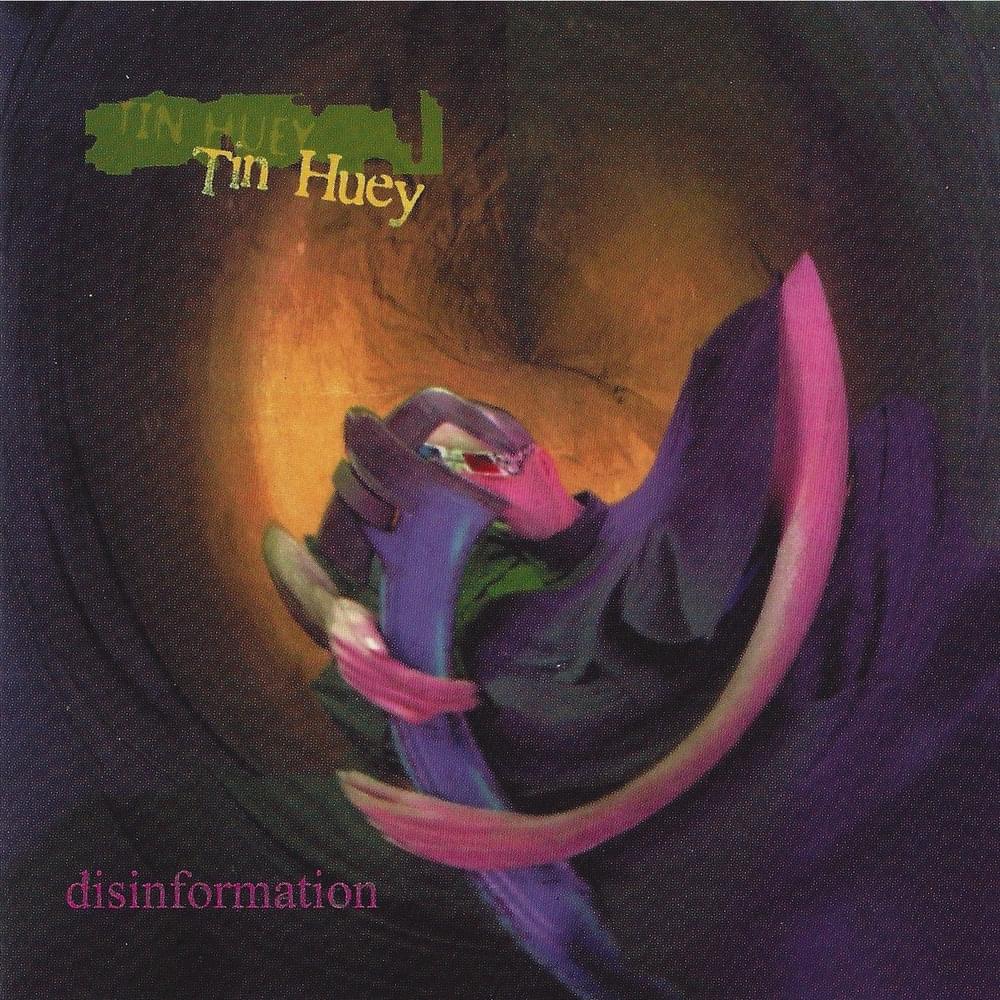
 View Artist