Song Meaning
Timothy B. Schmit's "Down Here People Dance Forever" isn't just a song; it's an existential refuge set to a rhythm. The lyrics paint a vivid picture of a liminal space – a nameless club on a street devoid of memories – where the weight of tomorrow dissolves into the hypnotic pulse of the music. This isn't a casual Saturday night; it's a deliberate escape, a sanctuary for souls seeking solace from the relentless march of time and the burdens of existence. The dance, in this context, transcends mere physical movement; it becomes a form of catharsis, a temporary suspension of reality. Schmit's evocative phrasing implies a kind of beautiful despair, a conscious choice to embrace the present moment with an almost defiant fervor. The line "While you're dancing you are free" underscores the central theme: freedom found not in escape *from* something, but freedom *within* the shared experience of music and movement. The haunting nature of the scene suggests that this freedom is fleeting, perhaps even illusory, but no less powerful in its temporary embrace.
The song's emotional core lies in its exploration of transience and the human need for connection. "Down Here People Dance Forever" isn't necessarily about literal immortality, but rather about the creation of a timeless space within the confines of a single night. The narrator's declaration, "I got a message from tomorrow, I'm overdue," introduces a sense of urgency, a desperate attempt to postpone the inevitable return to reality. This push and pull between the allure of the present and the demands of the future creates a palpable tension, amplifying the significance of the dance as a form of resistance. It's a rejection of the mundane, a conscious decision to immerse oneself in the collective energy of the music and the shared experience of the dance floor.
Ultimately, the song meaning circles back to the psychological power of music and its ability to transport us beyond the limitations of our daily lives. Schmit, through his artful storytelling and evocative imagery, captures the essence of human longing for connection, for escape, and for the fleeting moments of freedom that can be found in the most unexpected places. "Down Here People Dance Forever" reminds us that even in the face of uncertainty and the relentless passage of time, there is solace to be found in the shared rhythm of the human experience, in the ephemeral beauty of a dance that, for a moment, feels like it could last forever.
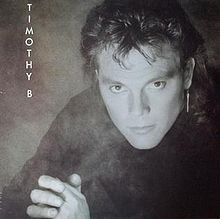
 View Artist