Song Meaning
The lyrics paint a picture of a restless spirit, someone who left home with grand ambitions, only to return humbled and burdened by past mistakes. The opening lines suggest a desire for easy wealth or a return to roots, but the narrator quickly admits to a chaotic departure and a less-than-triumphant return. This sets up a narrative of someone who has strayed far from a conventional path, marked by actions that invite judgment. The narrator acknowledges a history of transgressions, implying a deep-seated struggle with morality and societal expectations. The phrase "synnit, joita kirkkokansa kaihtaa" (sins the church folk shun) directly contrasts the narrator's life with a perceived norm, highlighting a sense of alienation. This isn't just about minor missteps; the narrator claims to have committed "pari uutta" (a couple more) on top of existing ones, suggesting a pattern of self-destructive behavior that leaves little hope for absolution.
The central tension lies in the narrator's self-identification as an "outolintu" (strange bird) and their struggle with the consequences of their choices. The chorus poses a rhetorical question about direction and purpose: "Piruko mun kiesini suunnat ties?" (Who the devil knows the direction of my wagon?). This uncertainty is juxtaposed with the idea that "Ilo meitä elättää / Suuret surut selättää" (Joy sustains us / Overcomes great sorrows), suggesting a coping mechanism or a defiant optimism in the face of hardship. However, the image of a bird breaking off from a crooked tree and being shot at paints a stark picture of vulnerability and persecution. It implies that their very nature, their "crooked growth," makes them a target.
The most striking craft element is the recurring motif of nature and its corruption, intertwined with the narrator's moral decay. The inheritance of "metsämaita" (forest lands) from a grandfather is a stark contrast to the narrator's current state of having "juotu joka ikinenkin aari" (drunk every single acre). This suggests a squandering of a natural, perhaps pure, inheritance. Later, the image of wanting to bury "lihaa sekä luuta" (flesh and bone) beneath a tree in the "lehtimetsän siimeksestä" (shade of the leaf forest) is a morbid desire for a beautiful monument, even in death, if they don't survive. This connection between the natural world and the narrator's grim fate underscores their feeling of being fundamentally out of place, a wild element destined for destruction.
Ultimately, the lyrics resonate because they articulate a profound sense of being an outsider, marked by past actions and a perceived inability to conform. The narrator's self-awareness of their "crooked growth" and the subsequent "shooting" they face is a powerful metaphor for the consequences of living outside societal norms. The blend of defiant resilience, as seen in the chorus's assertion of joy overcoming sorrow, with the bleak imagery of impending doom creates a compelling emotional landscape. It’s this raw, unflinching portrayal of self-inflicted hardship and the resulting alienation that makes the narrator's plight so impactful.
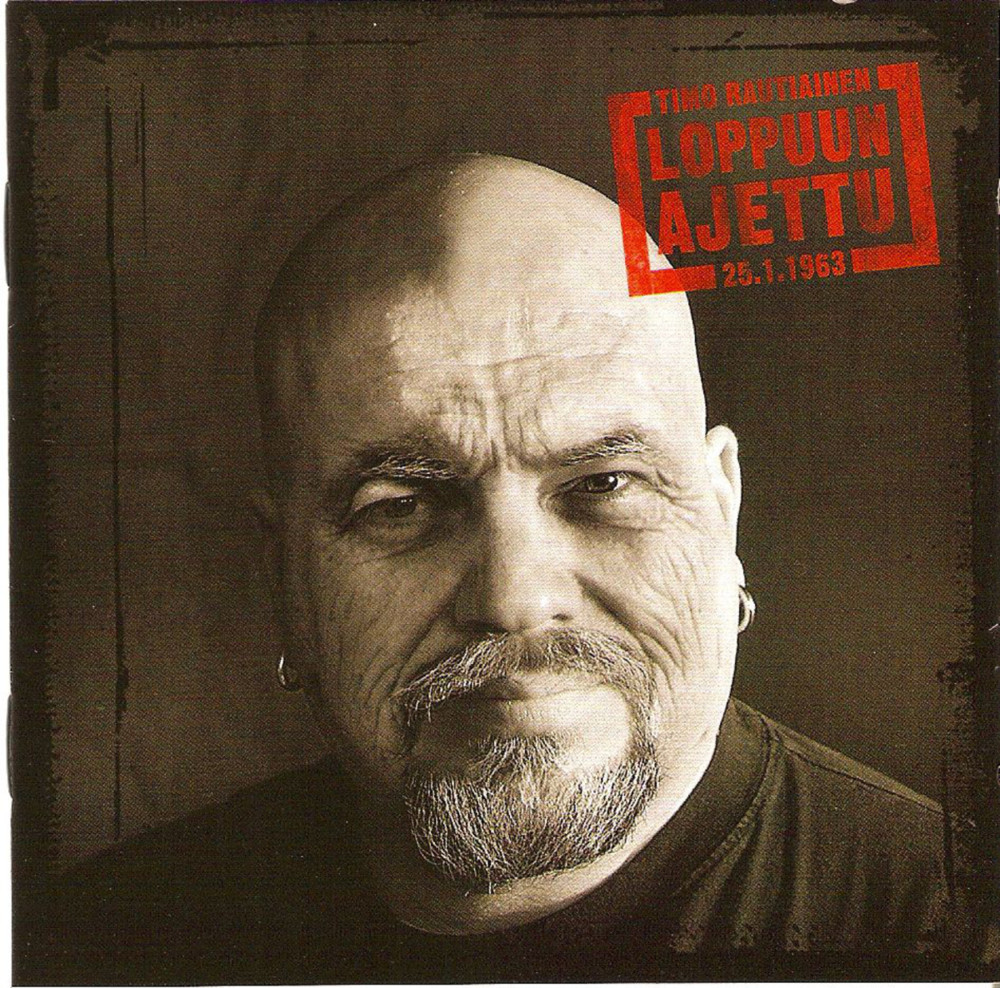
 View Artist