Song Meaning
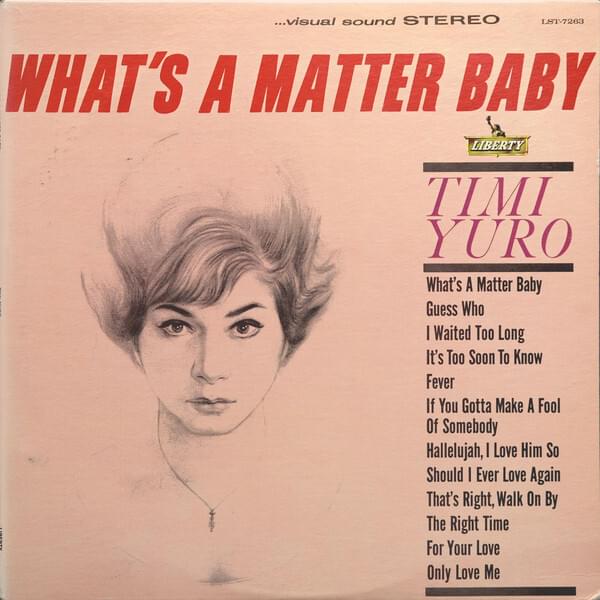
The narrator grapples with the possibility of future love after a devastating loss, caught in a cycle of doubt and emotional turmoil. The opening question, "Should I ever love again," sets a tone of profound uncertainty, immediately followed by the contrasting desire to "stay just like I am," highlighting a deep-seated fear of repeating past pain. This internal conflict is amplified by the feeling of being "in such a spin," suggesting a disorientation that love itself has induced.
This hesitation stems directly from the loss of a "best friend," a relationship that clearly left an indelible mark. The lyrics reveal a sleepless state, a common symptom of grief, where the narrator questions their own judgment: "I may be wrong, but feel I'm right." This internal debate underscores the difficulty of moving forward when the past still feels so present and impactful.
The writing cleverly uses paradox to articulate the narrator's confused emotional state. Phrases like "It may seem hard, but yet it's true" and "I'm not surprised" juxtaposed with "tears in my eyes" reveal a complex mix of resignation and raw emotion. The admission of being "such a fool" and underestimating someone, followed by the contradictory "It's not my fault, yet I'm to blame," perfectly captures the self-recrimination and confusion that often accompany heartbreak.
Ultimately, the effectiveness of these lyrics lies in their raw, unfiltered portrayal of post-loss vulnerability. The repeated, almost desperate questioning of "Should I ever love again" resonates because it mirrors a universal human experience of fearing emotional exposure after deep hurt. The abrupt, almost defiant "Woah, yes" at the very end offers a glimmer of hope, suggesting a tentative step toward healing, even amidst lingering doubt.
 View Artist