Song Meaning
The lyrics paint a picture of a neglected, sun-baked garden where decay and unexpected life coexist. The narrator observes junk and rust, a scene of disarray under a harsh sun, yet also notes the presence of insects, birds, reptiles, and wildflowers. This juxtaposition creates a feeling of resilience amidst ruin, where even the detritus of the past seems to foster new growth.
The central tension lies in the contrast between abandonment and vitality. The '49 Plymouth, stripped down to its 'engine and frame,' is presented as 'naked, not sacred, feeling no shame.' This suggests an acceptance of its degraded state, yet its presence within the garden, alongside the burgeoning life, implies a form of continued existence, however broken. The wild flowers 'abound' amid the 'wreckage,' highlighting nature's persistent reclamation.
The most striking element is the personification of the 'tiny green reptiles' who cheerfully bid the narrator 'Have a nice day.' This surreal touch injects an almost absurd optimism into the otherwise bleak landscape of decay. It's as if the natural world, in its rawest form, offers a simple, unburdened greeting, unconcerned with the surrounding rust and rot. The repeated image of the 'sun beating down' serves as a constant, oppressive force, yet it also seems to be the very energy that fuels this strange, vibrant ecosystem.
Ultimately, these lyrics resonate because they capture a peculiar beauty in imperfection and entropy. The '49 Plymouth, a relic of past aspirations, becomes a focal point for observing how life persists and even thrives in unexpected, forgotten places. The writing suggests that meaning isn't found in pristine preservation, but in the messy, ongoing process of existence, where even rust and wreckage can be fertile ground.
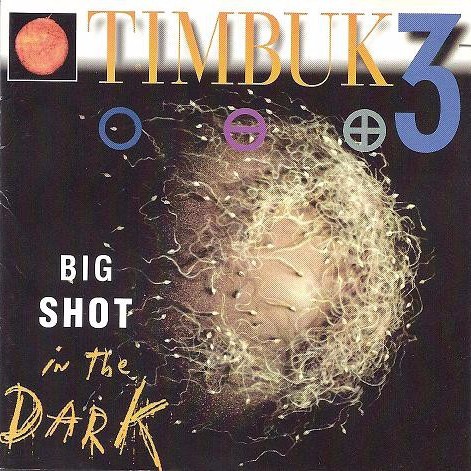
 View Artist