Song Meaning
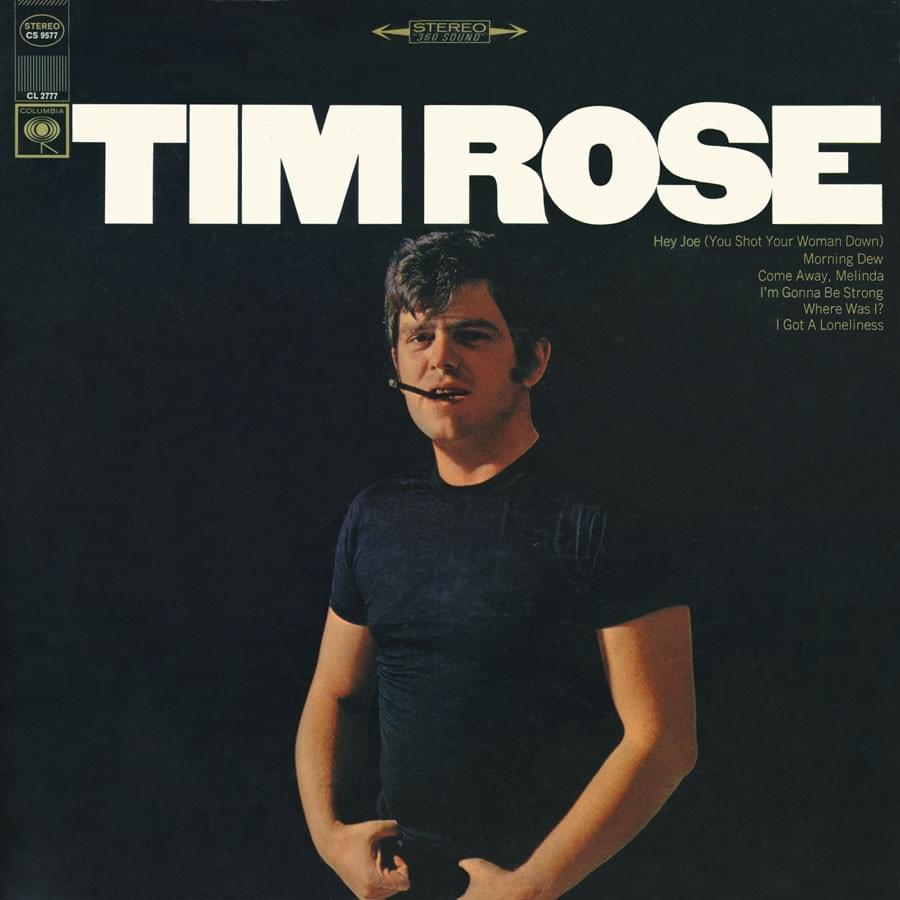
Tim Rose's haunting rendition of "Come Away Melinda" isn't just a folk song; it's a stark, psychologically resonant exploration of innocence lost to the ravages of war. Told through the eyes of a child, Melinda, the song juxtaposes her naive discoveries with her father's increasingly desperate attempts to shield her from a painful truth. The recurring plea, "Daddy daddy come and see," is a child's innocent call for shared wonder, but it’s met with the father's weary command to "Come away Melinda," signaling a desire to protect her from the horrors he knows all too well. The central image of the "picture book" becomes a metaphor for a pre-war world, a time of innocence and normalcy that Melinda is instinctively drawn to but her father recognizes as irrevocably gone. The lyrics suggest a profound generational trauma, where the father, likely a veteran, is unable to reconcile the present reality with the idyllic past he once knew.
The song's power lies in its simplicity and the escalating tension between Melinda's curiosity and her father's guarded responses. As Melinda describes the images in the "picture book"— "Happy faces all along / And all the ground is green"— she's not just describing a scene but yearning for a lost state of being. Her father's repeated attempts to pull her away highlight the impossibility of truly shielding children from the impact of war. His dismissals are not just about protecting her from graphic images, but from the crushing weight of disillusionment and the understanding that the world isn't always safe or just.
The final verse, where Melinda directly asks, "Why can't it be the way it was / Before the war began," is the song's emotional climax. It encapsulates the universal longing for a return to innocence and the heartbreaking realization that such a return is impossible. The father's response, "The answer lies in yesterday / Before they had the war," offers no solace but rather underscores the permanence of the damage. "Come Away Melinda's" song meaning isn't simply about a specific conflict but speaks to the enduring psychological scars of war and the intergenerational transmission of trauma. It's a chilling reminder of the world's capacity for violence and the enduring cost it exacts on even the most innocent.
 View Artist