Song Meaning
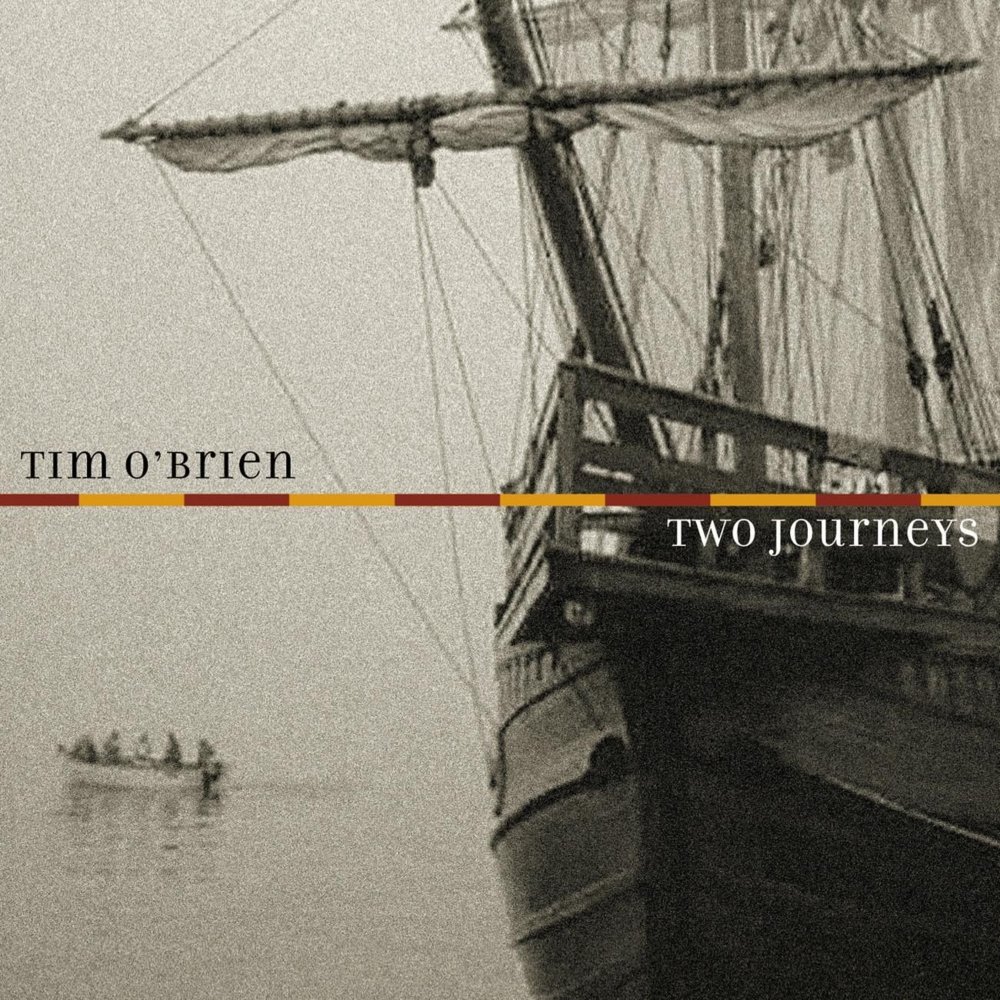
Tim O'Brien's "Two Journeys (Deux Voyages)" is more than a simple travelogue; it's a deeply personal meditation on heritage, sacrifice, and the push-pull of ancestral roots. The bilingual lyrics immediately establish a dialogue between past and present, Old World and New. O'Brien isn't just recounting a journey; he's tracing the arc of an inherited narrative. The opening verses, sung in both French and English, speak of his forefathers' courageous exodus, driven by a thirst for freedom that transcended earthly possessions or monarchical constraints. The 'great journey' wasn't merely geographical; it was a leap into the unknown, fueled by the promise of liberation. The poignant detail of them bringing 'nothing but their music, their courage, their names' underscores the stripped-down essence of their identity, a cultural core they carried across the Atlantic.
The song's emotional weight shifts in the subsequent verses as O'Brien undertakes his own journey—a return to the 'land of my fathers.' This isn't just tourism; it's a pilgrimage to understand the source of his being. He grapples with a profound paradox: the beauty of the ancestral home versus the compelling force that drove his ancestors to leave. The lines 'Such a beautiful place, I'll never know how they left it' resonate with both admiration and a touch of bewilderment. He attempts to comprehend the magnitude of their decision, acknowledging that their sacrifice paved the way for his own existence and the 'new life they found.'
Ultimately, "Two Journeys" explores the complex relationship between generations and the enduring impact of choices made long ago. O'Brien uses the two journeys to highlight the enduring values of freedom and the willingness to risk everything for future generations. The song avoids romanticizing the past, instead embracing the bittersweet reality of leaving behind a cherished homeland for the promise of something more. It's a powerful reminder that our identities are shaped not only by where we are but also by where we come from and the sacrifices of those who came before us.
 View Artist