Song Meaning
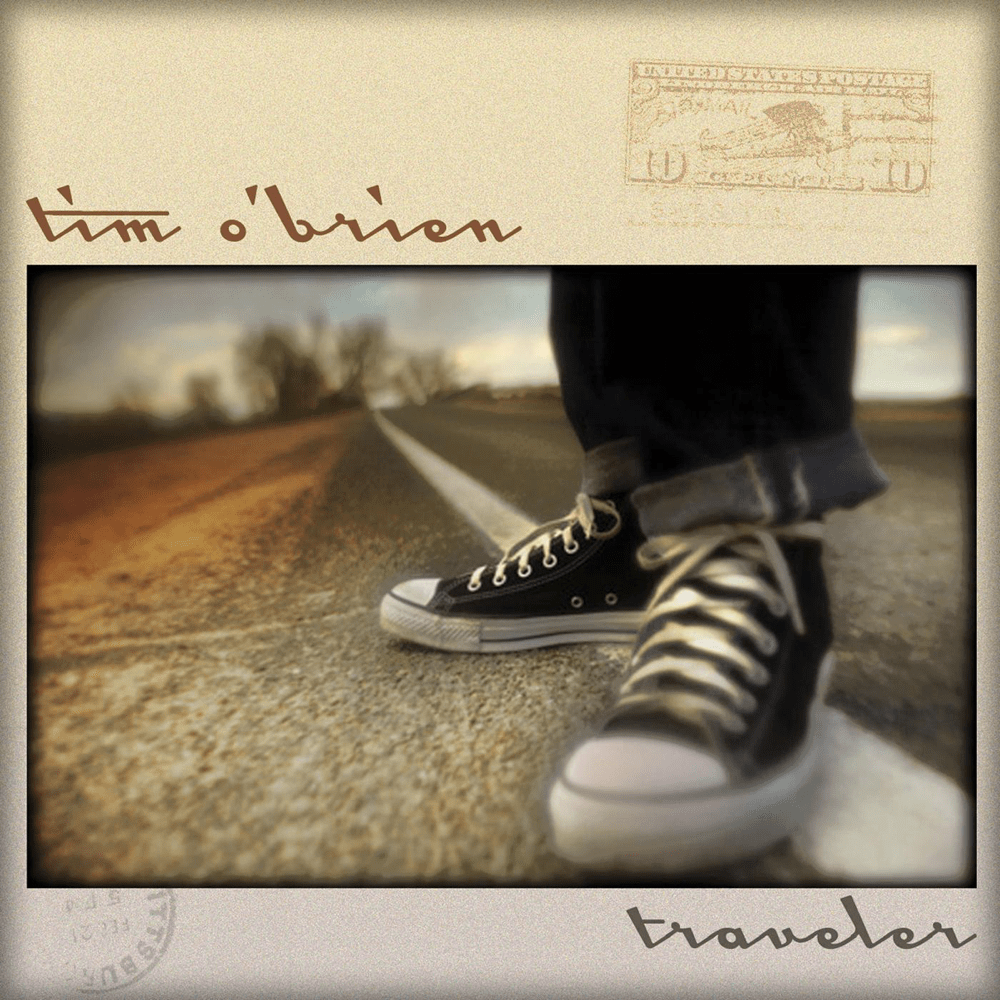
Tim O'Brien's "Less & Less" isn't just a folksy tune; it's a masterclass in psychological paring down, a sonic Marie Kondo for the soul. The song meaning revolves around shedding excess baggage – both literal and metaphorical – to find a lighter, more authentic way of moving through the world. It's about recognizing the tyranny of choice, the burden of possessions, and the corrosive weight of past mistakes. The opening verses immediately establish this ethos of simplification: "I save a lot of time not havin' to choose / What color shirt I wear or which pair of shoes." This isn't just about packing light; it's about freeing up mental bandwidth for what truly matters. The implication is clear: material possessions and superficial decisions obscure a deeper sense of purpose. O'Brien champions a life stripped bare, where contentment stems not from acquisition but from presence.
The second verse introduces a heavier element: regret. The "woman once, she was not my wife" represents a significant detour, a moral misstep that carried immense emotional weight. The lyrics paint a vivid picture of the near-destruction caused by this burden: "I carried that weight and almost broke my back / Nearly lost the ones I love getting' back on track." This verse isn't just a confession; it's an acknowledgement of the enduring consequences of our choices and a commitment to avoid repeating past errors. The "less" in "Less & Less" extends beyond material possessions; it encompasses the conscious rejection of destructive patterns and the pursuit of emotional simplicity. This section of the song provides deep context for the initial verses. It is not simply about freedom from choice, it is about freedom from the accumulation of regret.
Ultimately, "Less & Less" isn't about deprivation; it's about intentionality. The final verse reveals the essence of this philosophy: finding joy in the simple pleasures – "Coffee in the mornin' a little wine at night" – and cultivating meaningful connections. The lines "I've got my pride, I got a smile to greet the day / I got a friend or two to help me through when I lose my way" are particularly poignant. Stripped of excess, the speaker finds strength in self-respect, optimism, and the support of genuine friendships. The song's repeated assertion that one doesn't "need a guitar to sing my song" reinforces the idea that true expression comes from within, unburdened by external validation or material dependencies. The song's meaning, therefore, rests on the idea that true freedom is found not in what we accumulate but in what we are willing to release.
 View Artist