Song Meaning
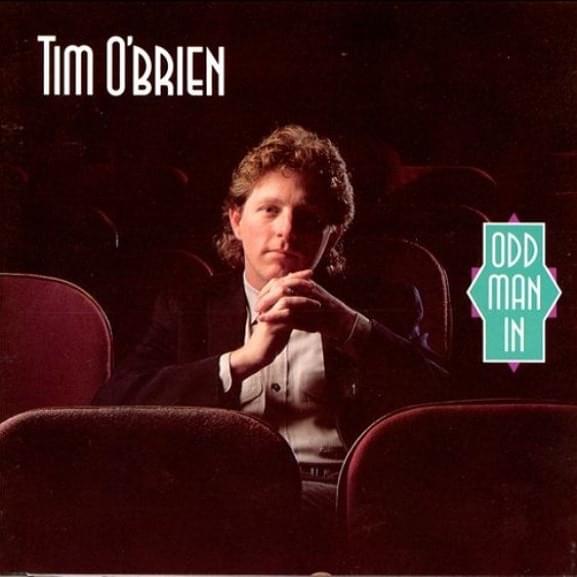
Tim O'Brien's rendition of "Handsome Molly" isn't just a simple folk lament; it's a stark portrait of heartbreak viewed through the distorting lens of wounded pride. The wanderlust expressed in the opening verse—a yearning for London, for distant seaports—isn't merely escapism. It's a flight from the immediate pain of Molly's rejection, a desperate attempt to outrun the emotional gravity of lost love. The sea becomes a metaphor for the narrator's internal state: vast, turbulent, and isolating. He'd rather face the perils of the ocean than confront the reality of his broken promise. The recurring chorus, "sailin' around the ocean, sailin' around the sea, I'm thinking of handsome Molly wherever she might be," underscores the futility of his escape. He is physically adrift, but mentally tethered to the very person he's trying to leave behind. This song meaning encapsulates a painful paradox: the harder we try to forget, the more vividly we remember.
The lyrics reveal a complex emotional tapestry woven with bitterness and idealized memory. The narrator's accusation, "But now you broke your promise, go marry who you please," drips with resentment. He paints himself as the victim of Molly's capriciousness, conveniently overlooking any potential flaws in himself or complexities in their relationship. Yet, amidst the anger, there are flashes of genuine adoration. The description of Molly—"Her hair is like a raven, eyes black as coal, Her cheeks they shown like lillies out in the mornin' glow"—transforms her into an almost mythical figure. This idealized image clashes with the perceived betrayal, creating a cognitive dissonance that fuels his suffering. He's not just mourning the loss of a lover, but the loss of an illusion.
The final verse, with its observation of Molly at church, is particularly insightful in this lyrics analysis. Her indifference—"She goes to church on Sunday, she passes me on by"—is the ultimate insult to his ego. The "roving of her eye" suggests a newfound freedom and perhaps even a hint of flirtation, further twisting the knife. The narrator is no longer just heartbroken; he's irrelevant. "Handsome Molly" then, becomes a study in the psychology of rejection, exploring how heartbreak can warp our perception of reality and transform love into a potent cocktail of longing, resentment, and wounded pride.
 View Artist