Song Meaning
Tim Minchin's "I Love Jesus" isn't a hymn; it's a barbed wire enema aimed at the hypocrisy lurking within organized religion. The initial, almost saccharine repetition of "I love Jesus" creates a participatory atmosphere, lulling the audience into a false sense of unity and perhaps even shared faith. Minchin, a master of musical satire, uses this sing-along format as a Trojan horse.
The gut-punch arrives with the abrupt interjection: "I hate faggots." The crowd's immediate, visceral reaction – uproar – highlights the uncomfortable truth: that for some, love of Jesus is conditional, conveniently coexisting with bigotry and intolerance. This lyrical juxtaposition isn't just shocking; it's surgically precise, exposing the selective morality that often cloaks itself in religious piety. The subsequent lines, "I love Jesus (uncertainty)" and "I hate faggots," reveal the internal conflict and cognitive dissonance that festers when love and hate are forced to share the same spiritual space.
The spoken interlude further underscores the satirical intent. Minchin's self-aware comment, "It was all feeling good and then you just lost the focus," is dripping with irony. The "focus," of course, is the illusion of unconditional love, shattered by the intrusion of prejudice. The final line, "Maybe these are ideas better shared in churches," is the ultimate provocation, suggesting that these divisive sentiments are not aberrations but rather intrinsic to certain religious communities. Ultimately, the "I Love Jesus" song meaning isn't about faith; it's about the weaponization of faith, and the uncomfortable truths it often conceals.
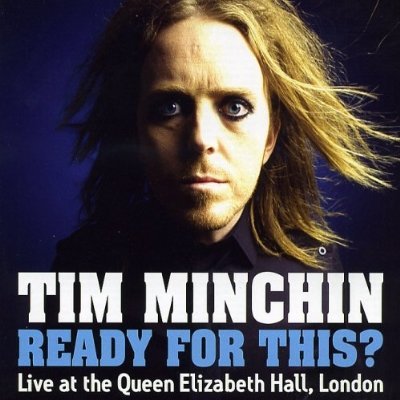
 View Artist