Song Meaning
Tim Minchin's "I Can't Save You" is a stark, emotionally intelligent exploration of the limits of love and support. The song isn't a cynical dismissal, but a deeply empathetic acknowledgment that some battles must be fought internally. The lyrics paint a picture of unwavering loyalty and willingness to go to extreme lengths for a loved one: offering financial aid, physical assistance, even a kidney. Minchin establishes a persona of a fiercely protective ally, ready to defend against external threats and offer tangible help in times of crisis. Yet, the repeated refrain, "But I can't save you from yourself," forms the song's core, highlighting the frustrating reality that external support can only go so far in addressing internal struggles. It speaks to the agonizing powerlessness one feels when watching someone they care about self-destruct, despite their best efforts to intervene.
The power of "I Can't Save You" lies in its refusal to offer easy platitudes or simplistic solutions. Minchin avoids the trap of victim-blaming, instead focusing on the inherent limitations of even the most devoted relationships. The almost hyperbolic offers of assistance – facing down enemies, donating a vital organ – serve to amplify the central message: even the most profound acts of love and sacrifice cannot fix deep-seated personal issues. The song delicately treads the line between offering unconditional support and acknowledging the importance of personal responsibility. It's not about abandoning someone in their time of need, but about recognizing the boundaries of what one person can do for another.
Ultimately, "I Can't Save You" speaks to the universal human experience of watching a loved one struggle with their inner demons. It's a song about the painful realization that some journeys must be undertaken alone, and that true salvation comes from within. The inability to "save someone from themselves" isn't a failure of love, but a recognition of the complex and often intractable nature of the human psyche. The song’s meaning resides in the tension between the desire to rescue and the acceptance of personal agency, making it a poignant and thought-provoking meditation on love, limitations, and the enduring power of self-determination.
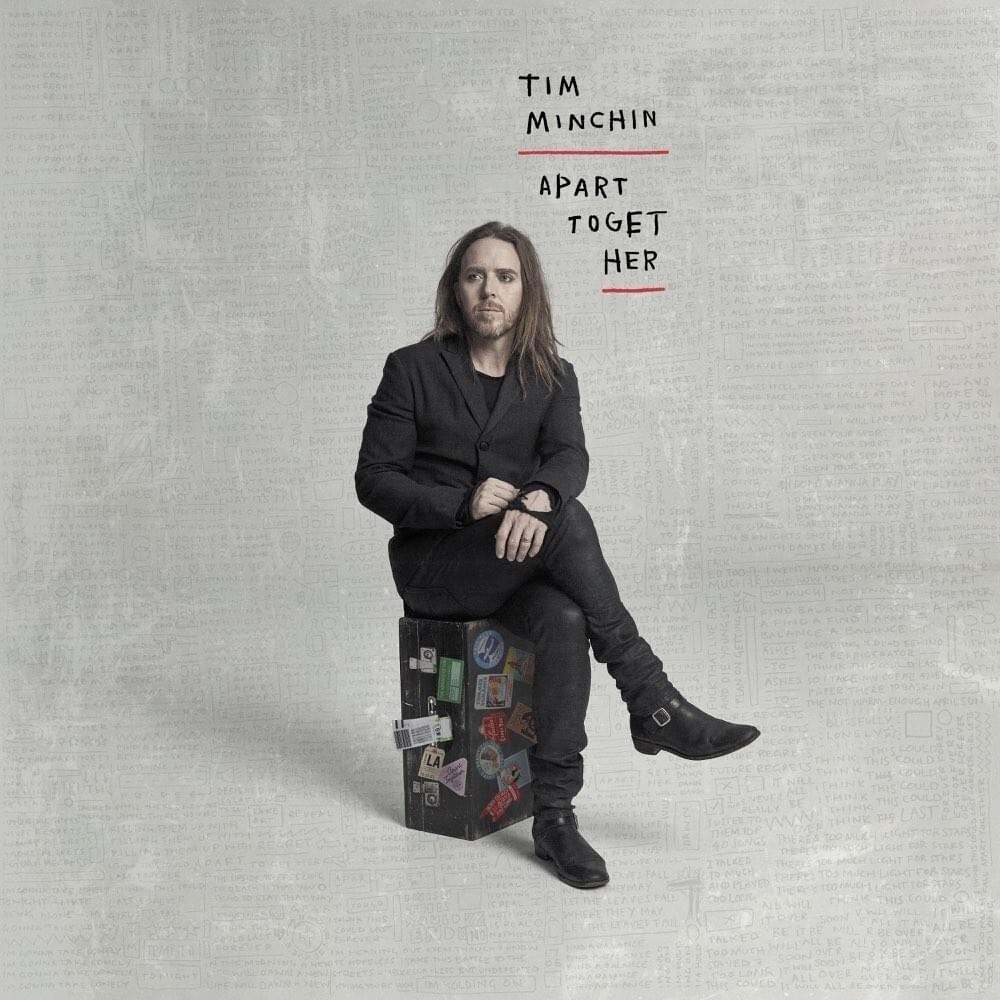
 View Artist