Song Meaning
The lyrics paint a stark picture of profound loneliness and a desperate need for connection. The narrator directly states a fundamental requirement: "Eu preciso de carinho" (I need affection) and "Eu preciso de calor" (I need warmth). This isn't just a casual wish; it's framed as an essential element for survival, as the narrator admits, "Sem vontade de viver" (Without the will to live) when this need isn't met. The plea is direct and urgent, asking someone to "Venha abrir o meu caminho" (Come open my path) and "Venha ser o meu amor" (Come be my love).
The central tension lies in the narrator's existential crisis triggered by a lack of love. The repeated phrase "Eu preciso ser amado" (I need to be loved) acts as a desperate refrain, highlighting the gravity of their situation. This isn't about romantic preference; it's about a fundamental human need that, when unmet, leads to a state of worry and a diminished will to live. The narrator is actively seeking a specific person, pleading, "Venha ser a minha amada" (Come be my beloved) and "Me acompanhe, por favor" (Accompany me, please).
The most striking aspect of the writing is its raw, unadorned directness. There are no complex metaphors or elaborate imagery, just a clear, almost childlike articulation of need. The repetition of "Pois é seu o meu amor" (Because my love is yours) at the end, sung three times, emphasizes the singular focus of this affection and the hope that this specific person will fulfill their desperate need. This repetition amplifies the intensity of the narrator's plea and their unwavering devotion to the object of their desire.
Ultimately, the effectiveness of these lyrics stems from their unflinching honesty. The narrator lays bare their vulnerability, articulating a universal human fear of isolation and the profound impact it can have on one's sense of purpose. The simple, repetitive structure and direct language make the emotional weight of the narrator's plea palpable, creating a powerful sense of empathy in the listener.
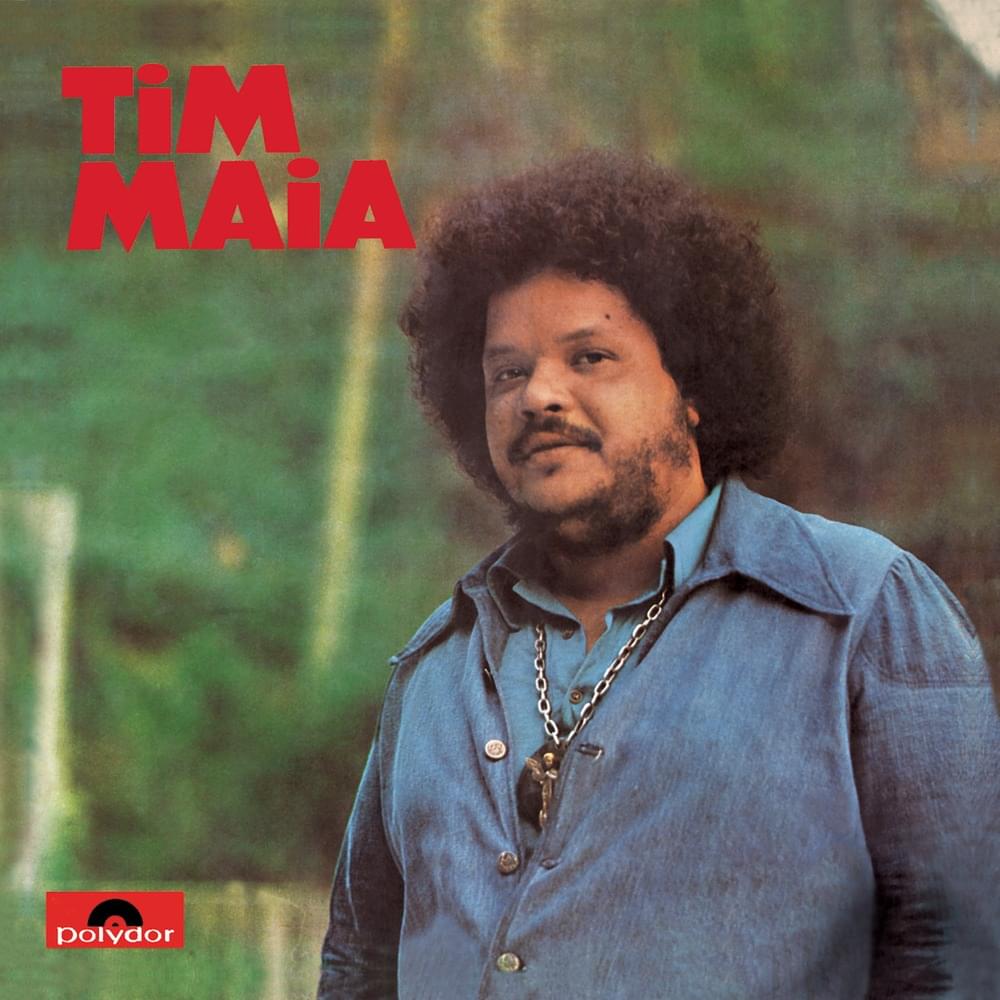
 View Artist