Song Meaning
These lyrics paint an intimate portrait of a parent speaking directly to their child, reflecting on life's complexities and the deep bond they share. The opening lines, "Como foi? Por que foi? Você não saberá," immediately establish a tension between the parent's lived experience and the child's nascent understanding, hinting at lessons yet to be learned.
The core emotional tension centers on the parent's profound protective love and sacrifice. The lines "Se as vezes fico sério / E só prá ver você sorrir" reveal a hidden motivation, suggesting that even sternness is a facet of care. This is powerfully amplified by the image of cutting bread, not just "prá dois," but escalating to "prá dez, prá cem, prá mil," illustrating an immeasurable willingness to provide. The fierce declaration, "Eu corro o mundo atrás de quem / Fizer você chorar," underscores an unwavering commitment to the child's well-being.
What makes these lyrics particularly striking is the cyclical nature of wisdom and the humble admission of human fallibility. The parent acknowledges their own past errors, asking for forgiveness "quando errei / Sem querer errar." Later, the perspective shifts dramatically, projecting a future where the child, now a parent themselves, will eventually teach the speaker, stating, "Meu futuro eu nem sei / E é você / Quem vai me ensinar." This beautiful reversal highlights the continuous, evolving exchange of knowledge across generations.
Ultimately, the lyrics resonate because they capture the multifaceted reality of parenthood: the burdens of experience, the boundless capacity for love and sacrifice, and the humbling realization that teaching and learning are lifelong, reciprocal processes. The direct address and simple, yet profound, imagery create a deeply moving and authentic expression of an enduring bond.
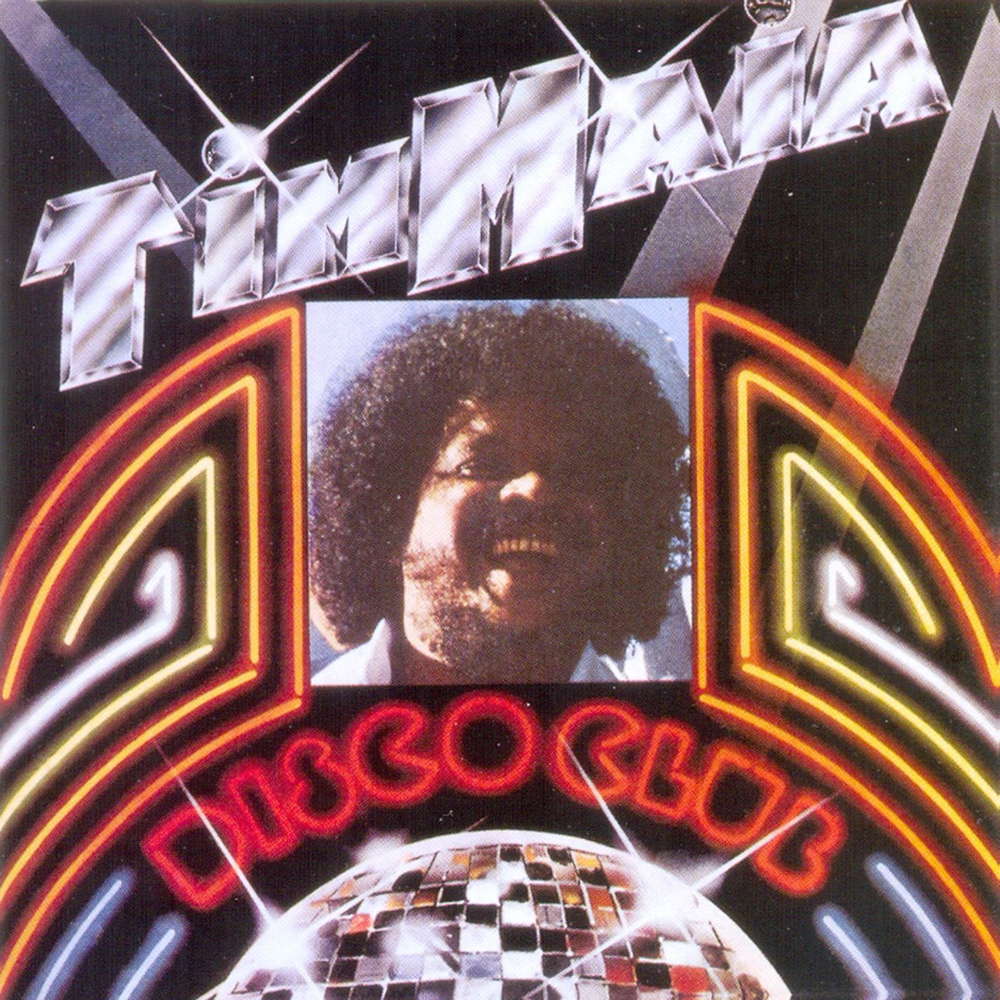
 View Artist