Song Meaning
The lyrics paint a picture of a classic road trip, bathed in the golden light of possibility. The narrator is behind the wheel, but the real focus is the passenger. There's a sense of surreal bliss, a feeling that this moment is almost too perfect to be real, captured in the repeated question, "Can I be dreaming?" The presence of the other person is grounding, transforming a potentially aimless journey into something purposeful: "when I felt your staring / I knew I wasn't lost."
The central tension arises from the contrast between the vastness of the "open road" and the intimate bubble the narrator shares with their companion. While "so much going on" in the world outside, the "front seat" becomes a sanctuary, a contained universe where "only you and me" exist. This deliberate narrowing of focus amplifies the significance of their connection, making the external world fade into insignificance.
The recurring motif of driving – "Hands on the wheel," "Shifting through the gears" – isn't just literal; it mirrors the progression of their relationship or the deepening of their shared experience. The phrase "I knew I wasn't lost" is repeated with increasing intensity, underscoring the profound sense of arrival and belonging the narrator finds in this person's gaze. It’s a powerful declaration of finding one's bearings not through a destination, but through connection.
Ultimately, the effectiveness of these lyrics lies in their ability to evoke a potent feeling of shared intimacy against a backdrop of freedom and movement. The simple, direct language and the evocative imagery of the road trip create a palpable sense of escapism and contentment. The narrator finds a profound sense of peace and direction, not on a map, but in the quiet affirmation of being seen and understood by another.
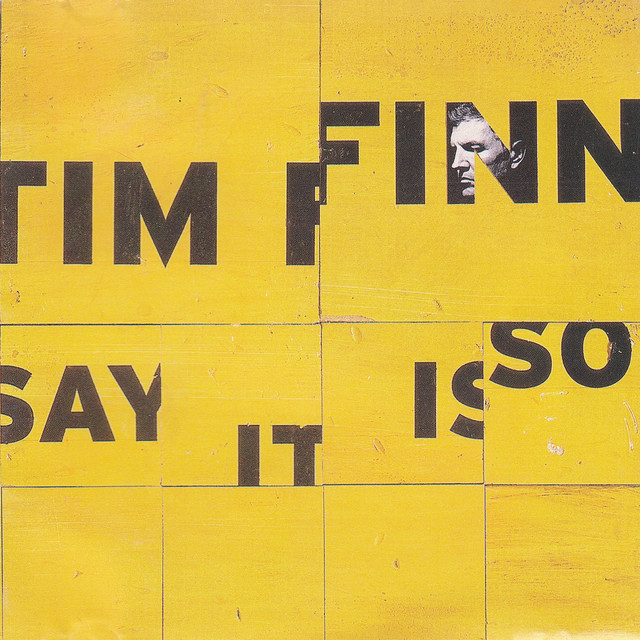
 View Artist