Song Meaning
The lyrics paint a stark picture of daily violence and oppression against Black people, described as being "tortured, eliminated, taken to the lash" every "holy day, holy night." Despite this pervasive brutality, the narrator observes a populace that is "humiliated, tired of seeing their blood spill," and seemingly numb or resigned. This creates a jarring contrast between the horrific reality and the apparent lack of widespread outcry or visible change, leaving the narrator questioning if the situation is truly "all right."
The central tension lies in the repeated, almost taunting refrain: "Tudo bem, tudo bem, será que tá tudo bem / Tudo bem, tudo bem se isso incomoda alguém." This rhetorical question highlights a deep unease, suggesting that the normalization of violence has reached a point where it might not even register as a problem for those who aren't directly affected, or perhaps even for the victims themselves. The phrase "Tudo bem" (all right) becomes ironic, underscoring the profound disconnect between the lived experience of suffering and the societal perception.
A striking image is the "rainbow in black and white in the land of colors," which suggests a world stripped of its vibrancy and joy due to this ongoing trauma. The narrator expresses a desire for something more, a hope that the "road will end" and the "sun will shine again," indicating a longing for a future where they can "smile and love" without the weight of present suffering. However, this hope is tinged with fatalism, as the narrator concludes, "I won't care about the future / Because no one will care," reflecting a profound sense of isolation and a potential surrender to the prevailing apathy.
This lyrical construction is effective because it juxtaposes the graphic depiction of violence with the unsettling calm of the refrain, forcing the listener to confront the uncomfortable question of complicity and awareness. The use of repetition in the refrain and the opening lines amplifies the feeling of a relentless, inescapable cycle. The lyrics resonate by articulating a deep-seated frustration and a desperate search for meaning and hope amidst systemic injustice, even when that hope feels distant or seems distant.
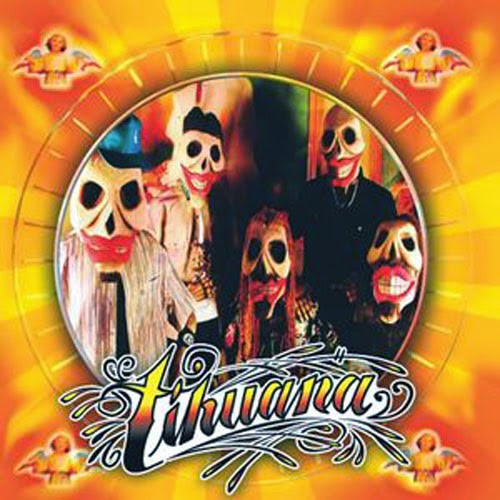
 View Artist