Song Meaning
This song paints a picture of a narrator with a lot to say, but struggling to get even a moment's attention. The opening lines, "Tinha tanto pra falar / Um minuto de atenção," immediately establish a sense of unexpressed thoughts and a plea for a listener. The narrator feels their message is being fragmented or ignored, perhaps deliberately, to dismiss their concerns – "Não se faz em mil pedaços / Pra enganar o pouco caso." This sets up a core tension between the desire to communicate and the reality of being unheard.
The lyrics then introduce a recurring image: "Ele vive nos faróis / Mas ninguém presta atenção." This figure, living in the headlights but unseen, seems to represent a marginalized or overlooked individual, perhaps someone struggling or yearning for something simple ("Quer um sonho e nada mais"). This is juxtaposed with the harsh reality of survival, where those with needs "Pega seu dinheiro e some" or "Pega seu trocado e some," highlighting a transactional and fleeting existence for those trying to get by.
The chorus, "Que seja então só uma canção / Pra não te fazer pensar / Que seja então só uma canção / Pra não te cansar," reveals a weary resignation. The narrator seems to be offering their message in the simplest, least demanding form possible, almost as a way to avoid further rejection or to not burden the listener. It suggests a desire to connect without imposing, a gentle offering that acknowledges the listener's potential fatigue with deeper issues.
This resignation is further underscored by observations on inaction and apathy: "Quem não ama não sente / Quem cala consente / Quem prega a paz / Muito fala e pouco faz." These lines suggest a critique of passive acceptance and empty pronouncements, contrasting with the narrator's own desire to speak, however minimally. The effectiveness lies in this blend of earnest, almost desperate, communication and a profound, understated weariness, making the plea for a simple song feel deeply resonant.
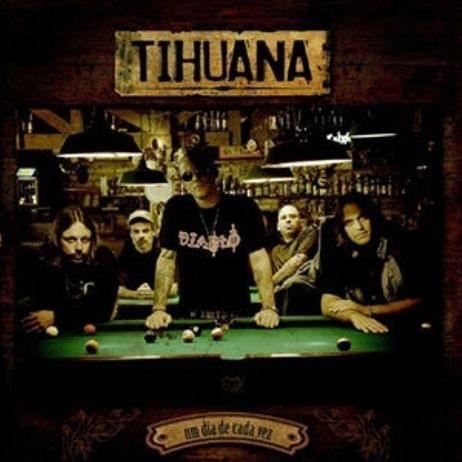
 View Artist