Song Meaning
The lyrics paint a stark picture of relentless conflict, opening with the brutal imagery of "bombas e a dor" and "conflito que não termina." The futility of imposed peace is highlighted by "Soldados, coronéis convictos / Tentaram em vão impor a paz," suggesting a cycle of violence that has rendered true peace unattainable, a sentiment underscored by the repeated phrase "Que não volta mais." This sets a tone of grim resignation to an ongoing struggle.
Yet, amidst this devastation, a powerful counter-narrative emerges: "E no meio do caos / Não é difícil ver / Milhares de pessoas se ajudando / Pra sobreviver." This unexpected observation shifts the focus from the destructive forces to the resilience of humanity. The lyrics propose that even in the most dire circumstances, the instinct for mutual aid and survival takes precedence over despair, offering a glimmer of hope within the bleakness.
The core message seems to be about the indomitable nature of life itself. The assertion "Porque no fundo é assim / E é assim que vai ser / Não se pode acabar com a vida / Porque a vida nunca pára de nascer" posits that life's inherent drive to persist and regenerate is a force that transcends even the most horrific acts of war. This cyclical view of existence, where new life constantly emerges, stands in direct opposition to the finality of death and destruction described earlier.
The final stanza returns to the pervasive "medo e até pavor," emphasizing the collective suffering of "Suas mulheres e crianças" and their "desejo coletivo / De encontrar a paz." The poignant image of "E as crianças vão morrendo / E o mundo inteiro assistindo a tudo isso" delivers a devastating critique of passive observation in the face of tragedy. The juxtaposition of life's persistence with the world's inaction creates a profound emotional tension, leaving the listener with a sense of both enduring hope and urgent, unmet responsibility.
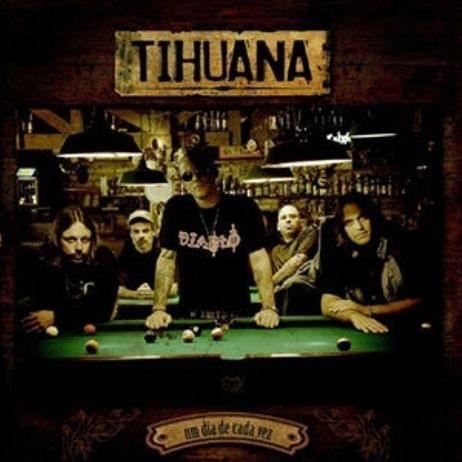
 View Artist