Song Meaning
These lyrics paint a stark picture of a mind in disarray, grappling with apathy and internal division. The speaker feels an insistent internal pressure to "speed it up" even as their mind feels empty. There's a profound sense of disillusionment, a declaration that "I can't believe in anything now."
The central tension here stems from a deep-seated resistance to engagement. The speaker admits, "I can't commit, I hate to work," revealing a desire to opt out of conventional life. This internal struggle is so consuming it appears to manifest physically, with the chilling line, "How does the body die? It starts with the lodging in my mind." This suggests a mental decay preceding any physical decline, a grim internal forecast.
The lyrics brilliantly use contrast to highlight this internal conflict. Mundane images like "A hearing aid and glasses / Coffee in bed" are juxtaposed with the speaker's radical desire to "be a loser forever, man." This isn't just a casual wish; it's a deliberate embrace of non-conformity and a rejection of societal expectations. The repeated framing of external questions – "You ask why I never call you back," "You ask what it's like to go insane" – makes the listener feel like the implied interrogator, drawing them into the speaker's isolated world.
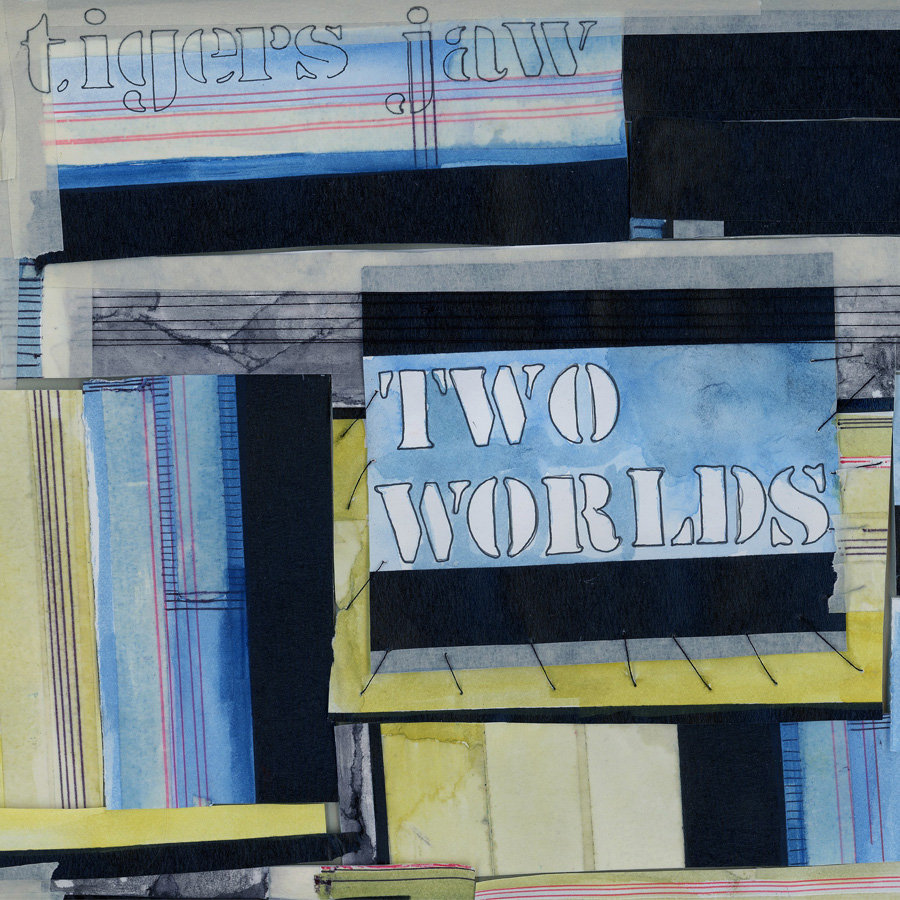
Ultimately, the lyrics culminate in a powerful, unsettling image: "I split my brain in two, I'm alright / I've been in two worlds tonight." The casual "I'm alright" immediately after such a profound admission of mental fragmentation is chilling, suggesting a weary acceptance of their fractured state. This blunt honesty, combined with the raw portrayal of a mind teetering on the edge, makes these lyrics resonate with anyone who has felt the weight of internal conflict and the struggle to reconcile their inner world with external demands.
 View Artist