Song Meaning
Tiffany's "Butterfly" isn't a saccharine ode to transformation; it's a barbed kiss-off disguised as a soaring anthem. The butterfly metaphor, so often symbolizing delicate beauty, here becomes a symbol of cutting loose – and cutting deep. The opening lines, "You should know that my smile was leading to this / It's all in this letter," immediately establish a tone of cold finality, a carefully planned and executed emotional departure. The smile, that social lubricant, was merely a mask concealing the inevitable. The lyrics aren't pleading or apologetic; they're delivered with a detached, almost clinical precision. This isn't about mutual understanding; it's about asserting dominance in the wake of a personal evolution.
The repeated refrain, "Fly away, my butterfly," isn't an invitation to join in the joy of newfound freedom. Instead, it feels like a taunt, a dismissal. There's a subtle aggression in the lines "Someone like you just better watch where you step / People have been known to bleed." The butterfly, now weaponized, warns of the pain it can inflict. This isn't a gentle fluttering; it's a controlled strike. The transformation from cocoon to butterfly is complete, but instead of embracing vulnerability, Tiffany's butterfly embraces a hardened exterior, ready to defend its newfound independence.
The line, "I have outgrown my cocoon / By the time that you read what you're reading / I will have flown to the moon," seals the song's meaning. The narrator isn't just moving on; they're actively distancing themselves, ascending to a plane beyond reach. The moon, often associated with mystery and emotional distance, becomes the ultimate escape. "Butterfly" isn't about becoming something beautiful; it's about becoming something untouchable, leaving behind those who couldn't keep up with the metamorphosis. The song meaning lies in this unapologetic self-assertion, a declaration of independence delivered with a sting.
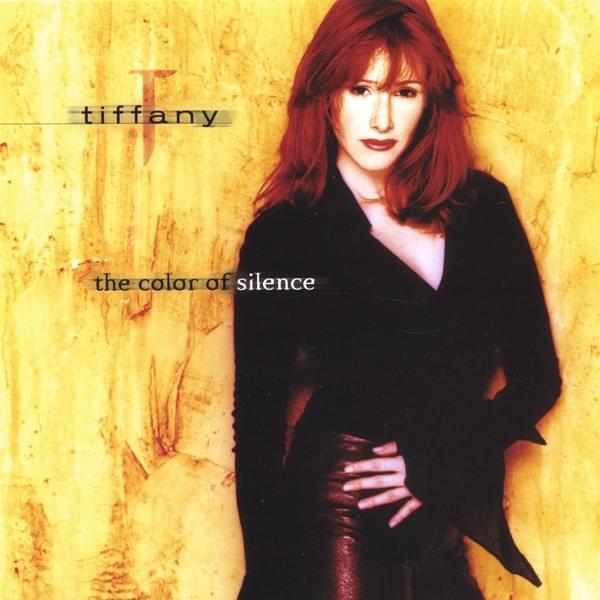
 View Artist