Song Meaning
Tiësto's "Flashlight (Mixed)" operates in the liminal space between pulsating rhythm and fragmented narrative, a space familiar to anyone navigating the blurred lines of modern connection. The track, ostensibly a DJ mix, hinges less on lyrical depth and more on the primal, almost Pavlovian response to its sonic architecture. The countdown – "Uno, dos, tres (Woo)" – acts as a trigger, a pre-programmed release into the drop, which serves as the song's core, its reason for existing. It's pure, unadulterated kinetic energy designed to bypass cognitive thought and tap directly into the listener's physical being. The meaning, therefore, resides not in storytelling but in visceral experience.
However, the inclusion of Quevedo's outro adds a layer of intrigue, a fleeting glimpse of narrative amidst the instrumental storm. These lines paint a picture of a chance encounter in a club, a magnetic pull between two individuals. The woman, self-possessed and alluring, uses her lipstick and glass as a mirror, reflecting not only her own image but also the desires projected onto her. Her invitation – "Vamos, que te enseño Buenos Aires" – hints at a deeper connection, a promise of exploration and shared experience beyond the superficiality of the club scene.
This juxtaposition of pure sonic release and fleeting narrative raises questions about the nature of connection in the digital age. Does the visceral energy of the drop represent a fleeting, superficial encounter, a momentary high devoid of substance? Or does it serve as a prelude to something more meaningful, a catalyst for genuine connection as suggested by Quevedo's verse? "Flashlight (Mixed)" doesn't offer easy answers. Instead, it mirrors the complexities of human interaction, the push and pull between instinct and intellect, the search for meaning in a world saturated with fleeting sensations. Ultimately, the song's meaning is found in the tension between these two poles, leaving the listener to ponder the nature of their own connections and desires.
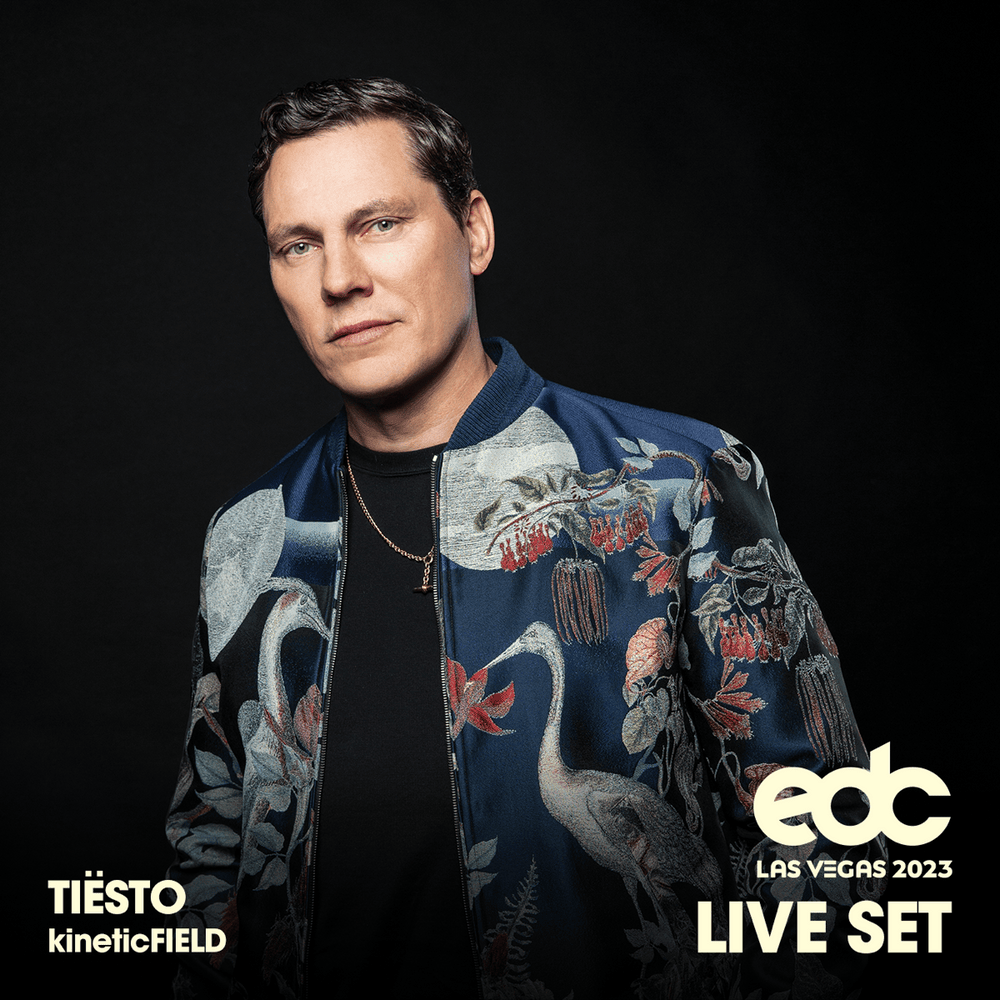
 View Artist