Song Meaning
This song opens with a vivid image of humble beginnings, likening the narrator's birth to a tiny bean sprout that awakens, falls, and grows amongst flowers. This establishes an immediate sense of organic growth and a determined spirit, deciding early on that life would provide everything if fear didn't extinguish that potential in darkness. The narrator's initial state is one of burgeoning life, rooted yet reaching upwards.
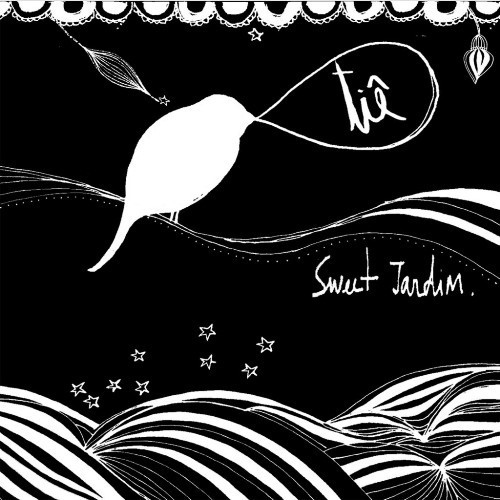
The central tension arises from a maternal desire to bestow love through a name, choosing 'Passarinho' (little bird). However, this well-intentioned label carries an inherent expectation of flight and freedom that the narrator feels ill-equipped to fulfill. The lyrics reveal a yearning for a different identity, specifically 'Maria,' suggesting a desire for a more grounded or perhaps universally understood name, contrasting with the perceived burden of the 'little bird' moniker. The phrase 'se não bate a asa logo pia' powerfully captures the immediate consequence of not fulfilling the bird's purpose – it cries out, implying a failure or struggle.
The most striking craft element is the recurring motif of flight and the contrast between the imposed name and the desired self. The narrator's declaration, "Ah! E como é bom voar!" (Ah! And how good it is to fly!), appears after the desire to be 'Maria,' creating an interesting ambiguity. It could signify a newfound embrace of the 'Passarinho' identity and its inherent freedom, or it might be a wistful acknowledgment of what flight represents, even while wishing for a different name. This duality makes the narrator's internal state complex and compelling.
Ultimately, the lyrics resonate because they articulate a universal struggle for self-definition against external expectations, even those born of love. The simple, organic imagery of growth is juxtaposed with the complex emotional landscape of identity and belonging. The narrator’s journey from a sprout to grappling with a name that implies flight, and the eventual, perhaps ironic, embrace of that very act, speaks to the often-unforeseen ways we come to terms with who we are and who we are perceived to be.
 View Artist