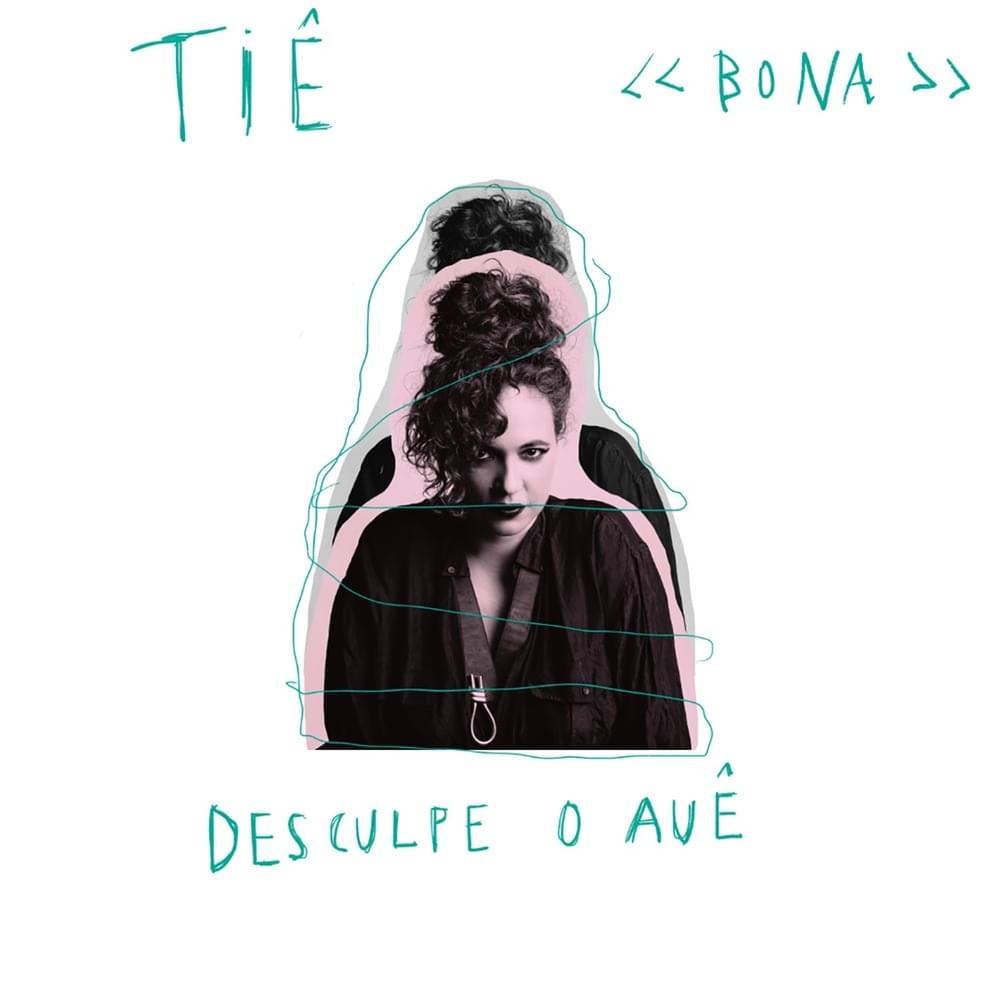
Song Meaning
The narrator opens with a direct apology, "Desculpe o auê," acknowledging they caused a disturbance and didn't intend to hurt their partner. The immediate confession of jealousy, "Foi ciúme sim," sets a raw, confessional tone. This isn't a subtle hint; it's a blunt admission of the root cause of their erratic behavior. The repetition of this opening section reinforces the sincerity and the weight of the apology.
The core tension lies in the narrator's self-destructive insecurity manifesting as extreme actions. They describe their jealousy-fueled outbursts as "greve de fome," "guerrilhas," and "motins," painting a picture of internal chaos that spills over into the relationship. This hyperbolic language, "Perdi a cabeça," highlights a loss of control driven by their own emotional turmoil, which they now regret.
What's striking is the contrast between the destructive behavior and the genuine value placed on the relationship. The narrator declares, "Nosso amor vale tanto," and offers a fantastical promise: "Por você eu roubava os anéis de Saturno." This extreme imagery underscores how deeply they cherish the connection, even as their insecurity threatens to dismantle it. The desire to "me mando" next time suggests a recognition of their own harmful patterns.
Ultimately, the effectiveness of these lyrics stems from their unvarnished honesty and the vivid, if exaggerated, portrayal of emotional fallout. The narrator doesn't shy away from admitting fault, framing their actions as a consequence of their own insecurity. The plea to "Esqueça" coupled with the grand romantic gestures reveals a desperate hope for reconciliation, making the apology feel both earnest and deeply human.