Song Meaning
This song paints a vivid picture of intense, almost desperate, romantic dependence. The narrator pleads with João not to let them regret loving him, begging him to hold them close and prevent their escape. The imagery is striking: the narrator wants to be physically secured, asking João to lock them up with a padlock and even install an alarm. This isn't just about emotional connection; it's a plea for tangible, almost physical, containment to ward off the fear of regret and forgetting.
The central tension lies in the narrator's profound fear of losing the love they share, so much so that they are willing to surrender their autonomy. They explicitly state, "I can forget you, João," revealing the underlying anxiety that without João's constant presence and vigilance, their own feelings might fade. This fear drives the narrator to request constant attention – calls, surveillance of their door, and being taken everywhere, even to the moon and back with a star. It's a plea for João to actively manage their emotional landscape and problems.
The most compelling aspect of the lyrics is the extended metaphor of the narrator as an "amuleto" – a charm or talisman. They want to be carried in João's pocket, used as a pillow, and hung around his neck. This imagery powerfully conveys a desire for constant proximity and a sense of being cherished and protected. However, this closeness comes with a crucial caveat: "You have me in your hands / But don't squeeze, João / Because I escape between your fingers." This delicate balance highlights the narrator's fragility and the precariousness of their hold on João's affection, even while demanding his constant attention.
Ultimately, the lyrics resonate because they articulate a raw, vulnerable need for security within a relationship. The narrator's requests, while extreme, stem from a deep-seated fear of abandonment and self-erasure. The effectiveness lies in the specific, almost childlike, imagery of being locked up, alarmed, and worn as an amulet, which amplifies the emotional stakes and makes the narrator's desperate plea for sustained love feel both intensely personal and universally understood.
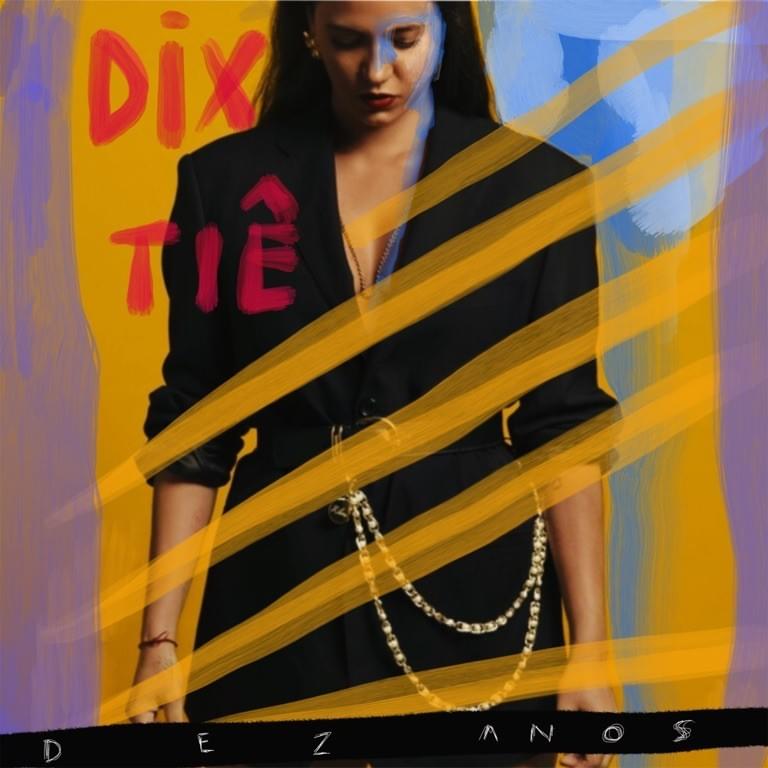
 View Artist