Song Meaning
The lyrics paint a stark picture of endings, a sense of finality that permeates everything. The opening lines, "Hajszolt vadak utolsó napjai" (The last days of hunted beasts), immediately establish a tone of desperation and impending doom. This feeling is amplified by the recurring image of bodies falling into a "dream well" ("Álomkútba zuhanó testek"), suggesting a loss of consciousness or a descent into oblivion. The narrator declares "Nincs már semmi, nem volt, nem lesz" (There is nothing anymore, there wasn't, there won't be), a nihilistic statement that underscores the complete dissolution of their world.
Amidst this decay, the phrase "Az átváltozás rítusai" (The rites of transformation) introduces a curious counterpoint. While the world collapses, there's a suggestion of ritualistic change. The imagery shifts to a micro-level: "Hangyák visznek / Fűszálváros" (Ants carry / A grass-blade city). This tiny, organized world contrasts with the grand collapse, hinting at a different kind of existence or a new beginning built from the remnants. The "old moons / Or already new ones" ("Régi holdak / Vagy már újak") further emphasize this cyclical or transformative aspect, where endings might just be precursors to new phases, even if they are indistinguishable.
The lyrics then return to the overwhelming sense of dissolution, but with a new, almost surreal perspective. The concept of "Testetlenség" (Disembodiment) is repeated, and the falling bodies reappear. However, the final lines, "Futni falevél erein / Csigaház falain" (To run on the veins of a fallen leaf / On the walls of a snail shell), and "Felfal a mindenség / Felfal a világűr" (The universe devours / The void devours), present a final, strange surrender. It's not just about destruction, but about becoming part of something larger, a cosmic absorption. The transformation, hinted at earlier, seems to be this ultimate dissolution into the vastness of existence, a terrifying yet perhaps inevitable merging.
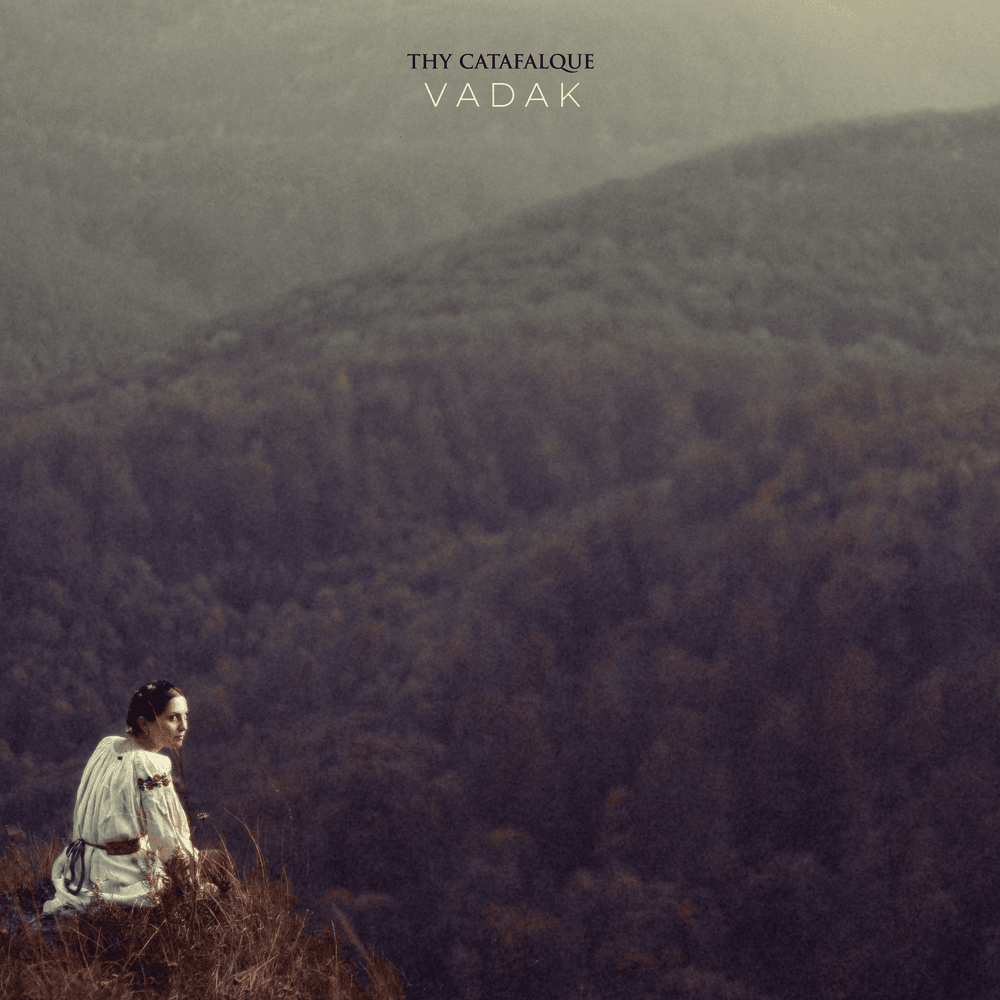
 View Artist