Song Meaning
The lyrics grapple with a profound sense of cyclical existence, suggesting that "nothing is new, and all that is, has been." The narrator feels trapped by imagination, which "keeps breaking anew, to painfully / Give birth to the child already born." This highlights a frustrating repetition, where novelty seems impossible, only a rehash of what has already occurred. The core desire is to rewind time, to revisit a past moment, perhaps to understand a lost connection or a foundational experience. The narrator yearns to see a "beautiful form, its wondrous structure" before their time, questioning whether their present is superior or inferior to past cycles, and if the "vortex is always the same." This reflects a deep existential unease with the perceived sameness of life's patterns.
The central tension arises from the desire for escape versus the inescapable nature of the "Rota Mundi" – the wheel of the world. The lyrics express a plea to be freed from this constant spinning, seeking solace in "the motionless mover, the center of the ancient wheel." This yearning for stillness amidst perpetual motion is a powerful image of spiritual or existential exhaustion. The journey described spans from "dust to the distant cosmos" and from "the Sun to the unhappy Luna," encompassing a vast scale of existence, yet all seemingly bound by an "unceasing perfection" that feels more like a prison.
The writing masterfully employs contrasting imagery to convey this paradox. The vastness of "dust to the distant cosmos" is juxtaposed with the intimate desire to see a specific "beautiful form." The concept of "unceasing perfection" is presented not as a divine ideal, but as a source of unhappiness, linked to the "unhappy Luna." The final, stark pronouncements of "continuous creation / Eternal passing away" encapsulate the core conflict: life is a relentless cycle of birth and death, creation and decay, with no apparent end or true progress. The phrase "and the fire beneath the wheel is fed" adds a menacing undertone, suggesting that this cycle is sustained by a powerful, perhaps destructive, force.
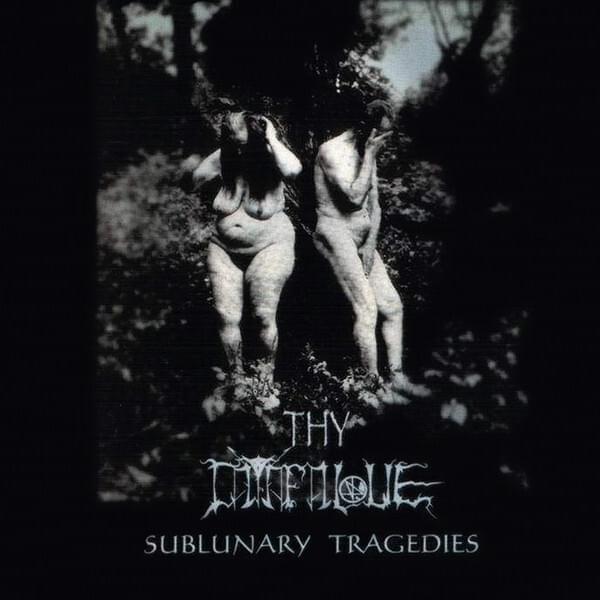
 View Artist