Song Meaning
The lyrics paint a picture of relentless forward momentum, driven by speed and mechanical force. The recurring phrase "Rohanó kerekek robaja dalunk" (the rumble of rushing wheels is our song) establishes a sonic landscape of constant motion, where the present is "ticking" and the future is being prepared. This isn't a gentle progression; it's a forceful, dynamic surge.
There's a tension between the raw, almost brutal nature of this progress and its transformative power. "Nyers tömbökben feszül az idő" (time strains in raw blocks) suggests a rigid, unyielding force, yet this same force is described as "Alakít, formál, termel a haladás" (progress shapes, forms, produces). The imagery of "mechanika-ikonok" (mechanics-icons) and "tűz" (fire) points to an industrial or technological drive.
The most striking image is "fekete mezőkön láng a tudomány!" (science flames on black fields!). This juxtaposition of darkness and light, of barrenness and burning knowledge, is powerful. It suggests that scientific advancement, the fire guiding the mind, emerges from or illuminates vast, perhaps unknown, territories. The final lines, "Meteorok égnek vörösen a Földnek. Meteorok égnek fekete mezőknek" (Meteors burn red for the Earth. Meteors burn for black fields), extend this idea, linking celestial events to both the known world and these mysterious dark expanses.
Ultimately, the lyrics evoke a sense of awe and perhaps a touch of apprehension towards a future propelled by powerful, almost elemental forces. The "will" to create wings and the lifting of millions of hearts suggest a collective aspiration, a desire to escape or ascend, fueled by this unstoppable, fiery progress that burns both for the familiar Earth and the uncharted black fields ahead.
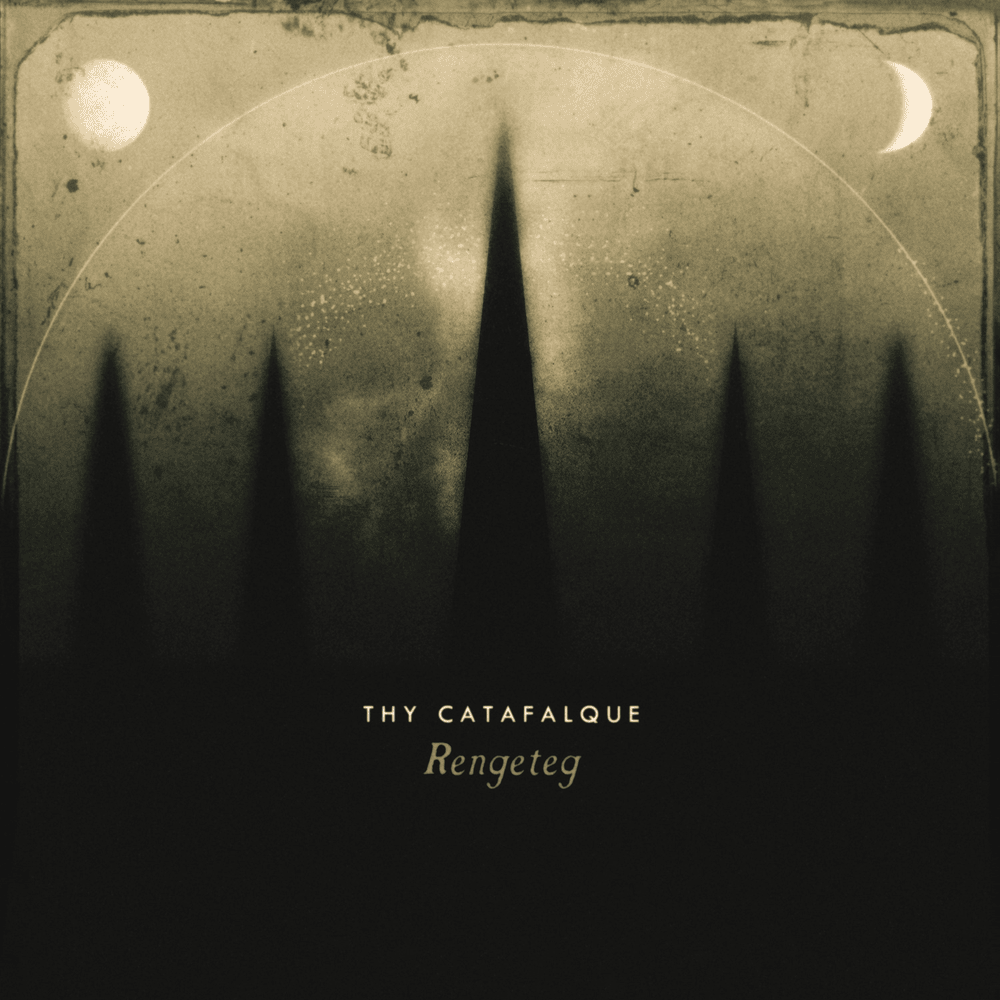
 View Artist