Song Meaning
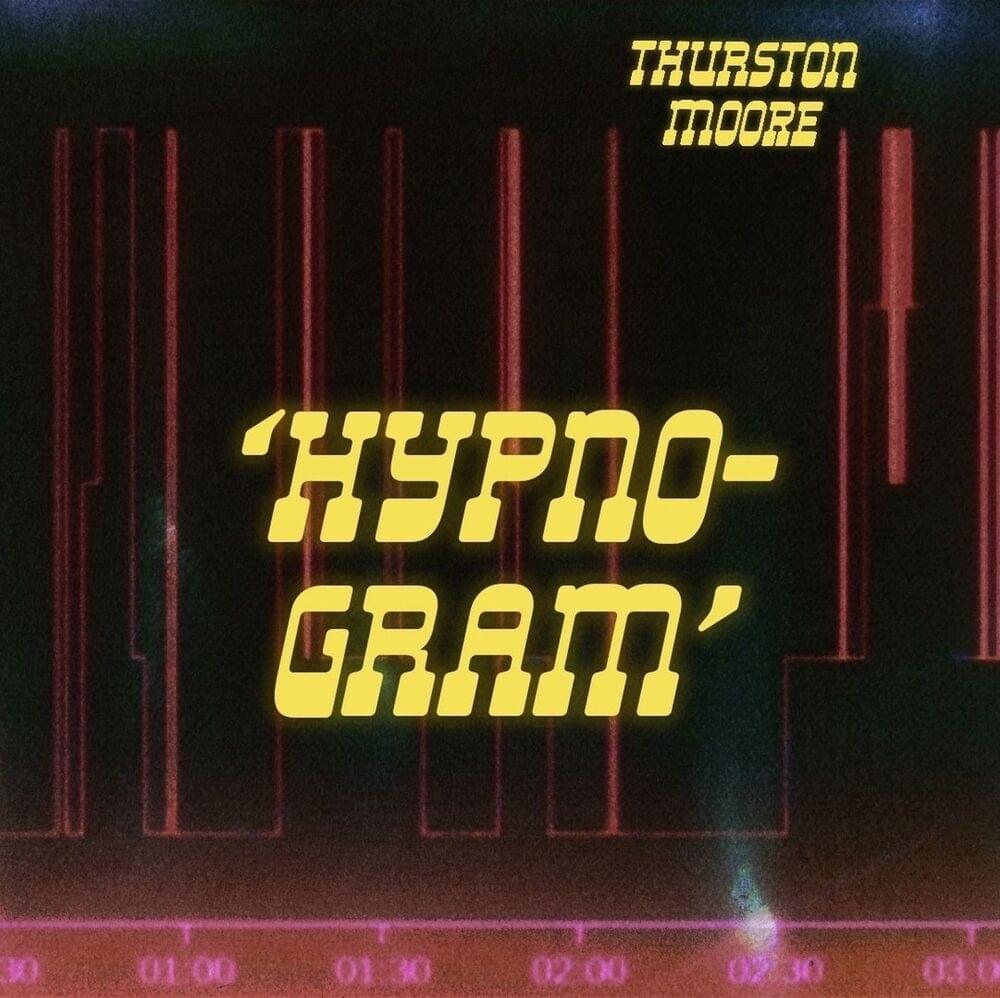
Thurston Moore's "Hypnogram" isn't just a song; it's an invitation into a shared subconscious. The lyrics paint a vivid, almost tactile picture of two people intertwined in the liminal space between wakefulness and sleep. Moore bypasses the typical rock bombast, opting instead for a hushed intimacy, a sonic whisper that mirrors the delicate nature of shared dreaming. The song meaning resides in this blurring of boundaries, the "where you end and I begin when we awake" line acting as a central thesis. It's about the dissolution of the individual ego within the safety of a deeply connected bond.
The recurring motif of "lucid dreams" is crucial. It suggests a deliberate attempt to navigate the subconscious together, a conscious effort to find each other within the chaotic landscape of the sleeping mind. The imagery – moonlight reflections, a universe of shimmering hope, fur, and whispered kisses – evokes a sensual and comforting space, a haven built from shared experience and affection. The "telescope" metaphor is particularly potent, suggesting a focused exploration of their internal worlds, amplified by the presence of the other. This isn't passive dreaming; it's active co-creation.
The slightly disorienting lines about dosing off on a train hint at the porous nature of reality itself. The blending of the mundane (a train ride, headphones) with the ethereal (poetry on earlobes) reinforces the idea that the boundaries between waking life and the dream world are far more fluid than we often acknowledge. Ultimately, "Hypnogram" is a tender exploration of intimacy, not just in a physical sense, but on a deeper, psychic level. It's a reminder that the most profound connections are often forged in the quiet spaces, in the shared landscapes of our minds, and in the vulnerability of sleep.
 View Artist