Song Meaning
The lyrics paint a chilling picture of conquest and cultural erasure, presenting a stark contrast between violent actions and a placid present. The narrator urges the listener to internalize a difficult truth: "We have burned their villages / People in them, died." This brutal act is immediately followed by a disturbing appropriation: "We adopt their customs / And everything they say, we steal." The dominant emotional tone is one of cold, detached hypocrisy, underscored by the unsettling assertion that despite this destruction, "Still we all sleep sound, tonight."
The central tension lies in the disconnect between the horrific deeds and the comfortable ignorance of the perpetrators. The lyrics question the listener's desire for this narrative, asking, "Is this what you wanted, to hear?" This suggests a complicity, a demand for a sanitized version of history that conveniently omits the violence. The replacement of genuine culture with superficial markers like "borders, and flags" highlights a hollow victory, a victory built on theft and the suppression of others' aspirations.
The most striking craft element is the relentless repetition of "you stole," applied to customs, words, dreams, and even what is said. This hammers home the theme of appropriation and the parasitic nature of the dominant culture. The image of "lipstick on the collar" serves as a potent metaphor for hidden guilt or infidelity, suggesting that the nation's "autobiography" is marred by deceit. The narrator's personal reflection, "in my own life I've seen it in the mirror," bridges the national narrative with individual conscience, implying that this pattern of taking at the "cost of others' hopes" is not abstract but deeply personal.
Ultimately, the lyrics' power stems from their unflinching portrayal of how collective amnesia and superficial adherence to dominant narratives allow for the perpetuation of injustice. The call to "write these words back down, inside" is a plea for genuine understanding, emphasizing that without "conviction, of heart," the truth will remain unfelt. The final lines, linking marching, television, and stolen dreams, suggest a society lulled into passive consumption, where history is a "fashions of the moment" rather than a record of lived experience.
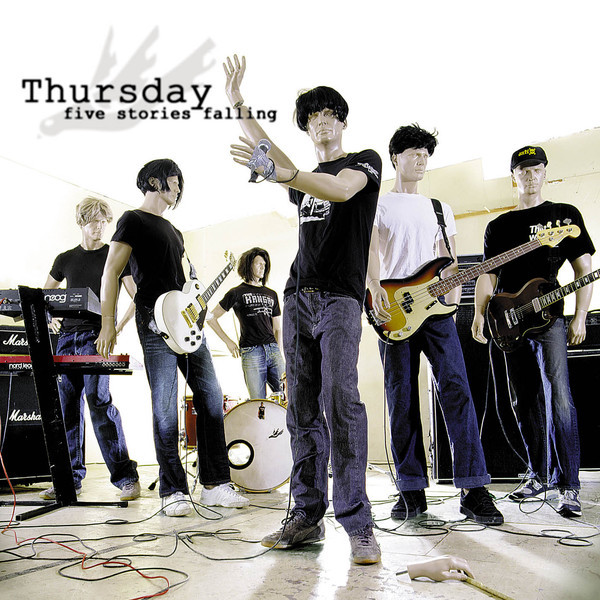
 View Artist