Song Meaning
The lyrics paint a stark contrast between two individuals, one seemingly successful and put-together ("walked in Ralph Lauren"), the other adrift and disheveled ("walked in the Pacific Ocean"). This initial image sets a tone of profound disconnect and personal struggle. The narrator feels out of sync, their shirt "backwards," a metaphor for being against the grain, experiencing repeated pain and a sense of inevitable defeat. The imagery of a spinning bottle suggests a game of chance, a desperate hope to avoid facing something painful, likely the other person's awareness of their suffering.
The central tension lies in the narrator's internal pain versus the other person's apparent ease and success, possibly stemming from a shared past. The mention of "junior high" and specific bands like the "Pistols and the Clash" grounds this history in youthful rebellion and shared cultural touchstones, now viewed from a distance. The narrator feels unseen and unheard, their "pain" a secret the other person "didn't know about." This lack of recognition amplifies the feeling of loss and the sense that they "never win."
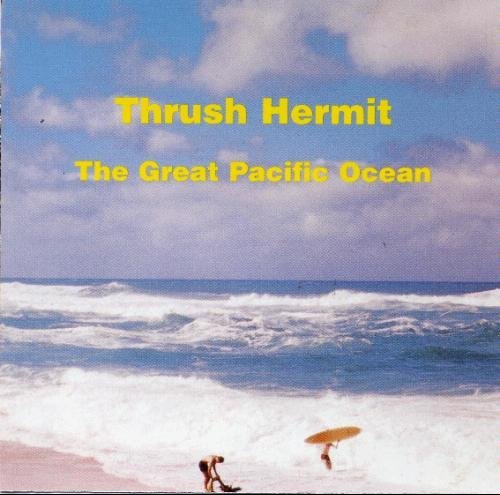
The recurring image of the "Great Pacific Ocean" and the desire for "Hawaii in the middle" is a fascinating structural device. It transforms a vast, overwhelming expanse into something that needs containment and oversight. This mirrors the narrator's own feelings of being lost and needing a focal point, a "place to stop." The ocean becomes a metaphor for their own emotional state, vast and perhaps unmanageable, while the desire for Hawaii suggests a longing for a stable point or a connection, even if it's just a transit stop on the way to the other person.
The lyrics powerfully convey a sense of lost connection and personal unraveling. The narrator feels trapped in a cycle of pain and defeat, symbolized by the spinning bottle and the repeated phrase "it hurts again." The final lines, "You've build the greatest circle / But you need me in the middle / To keep an eye on me," suggest a complex dynamic where the other person, despite their outward success, still requires a form of control or observation over the narrator, even as the narrator acknowledges this, stating "I see you too." This creates a poignant, almost suffocating, final image of interdependence born from conflict and loss.
 View Artist